
The brief
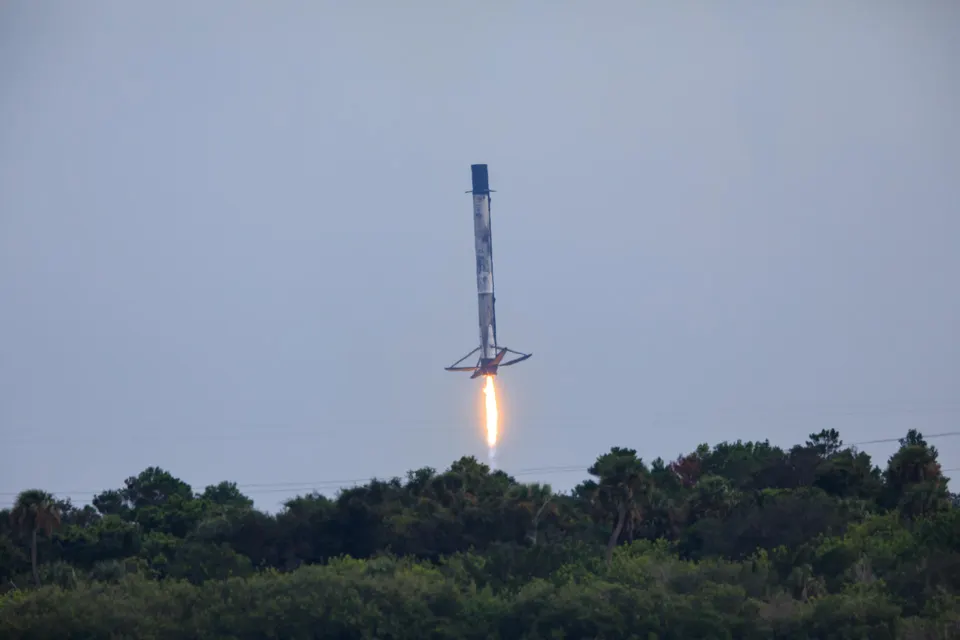
- Falcon 9 flew about 165 missions in 2025, most of them Starlink, on boosters now reflown 30+ times.
- Starship V3 (Raptor 3, Pad 2) debuted in May 2026; Flight 14 in late September 2026 is planned as the first orbital Starship flight.
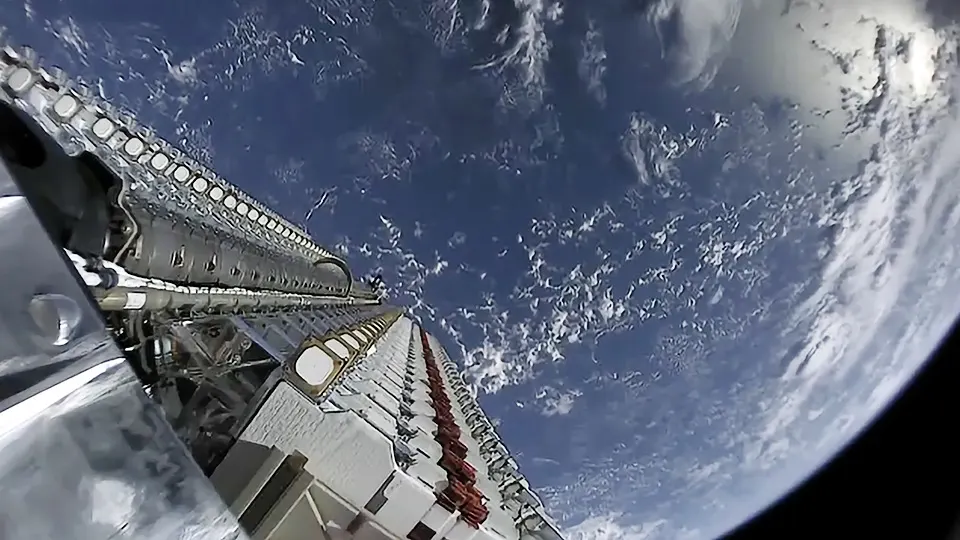
- Starlink passed 12 million subscribers by mid-2026 and funds Starship; the June 2026 IPO raised about $86B.
Technical approach
Propulsive landing of boosters
Falcon 9 boosters fly back and land on ships or pads, so the costliest part flies again. Starship aims to reuse both stages; the tower catches the booster.
Methane-oxygen Raptor engines
Raptor burns methane and liquid oxygen at very high pressure. Methane burns clean, which helps reuse; Raptor 3 drops much outside plumbing to cut weight.
In-house everything
SpaceX builds engines, electronics, satellites and dishes itself, changes designs fast and treats test failures as a way to learn.
Starlink as anchor customer
Starlink needs thousands of satellites, which keeps Falcon 9 busy and brings in the cash that pays for Starship.
SpaceX, five programs
Updated 29 Aug 2026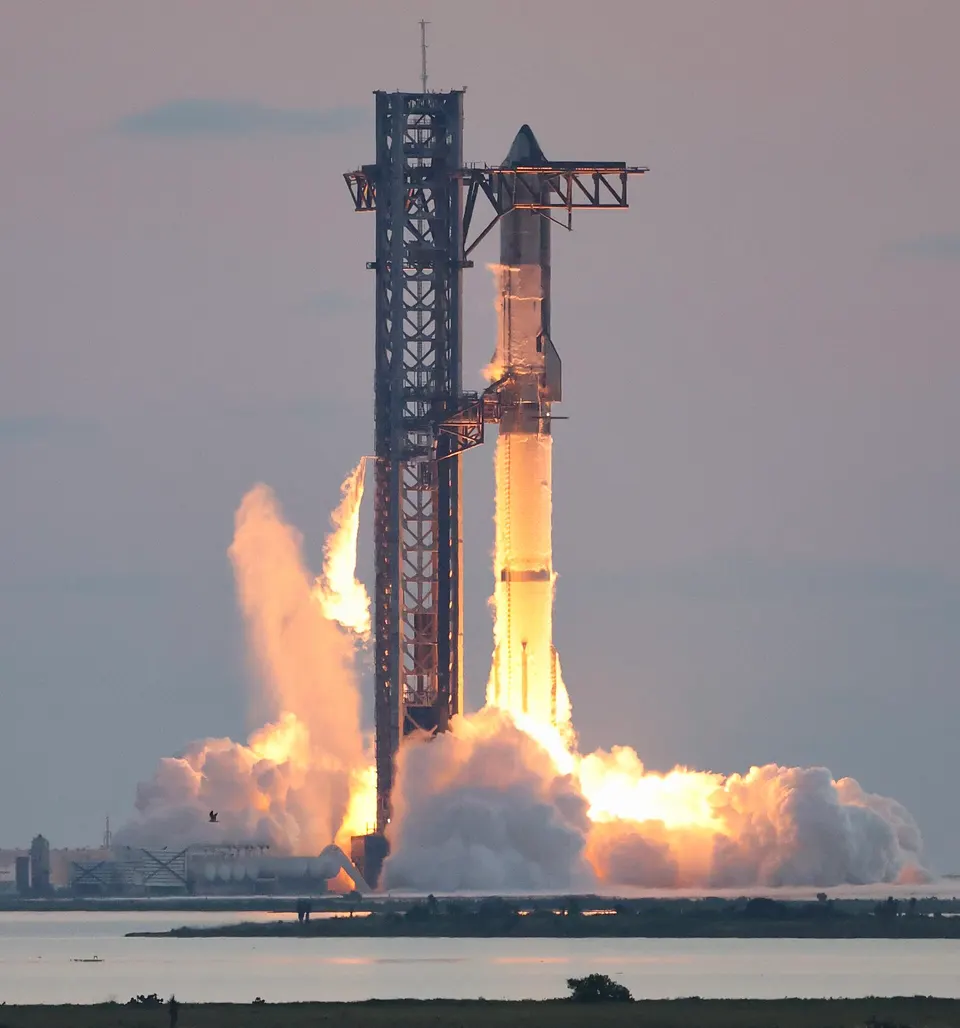
Research & demos
- 13 Oct 2024
Showed a 70 m booster can be caught by tower arms, so it needs no legs and can fly again fast.
- 14 Mar 2024
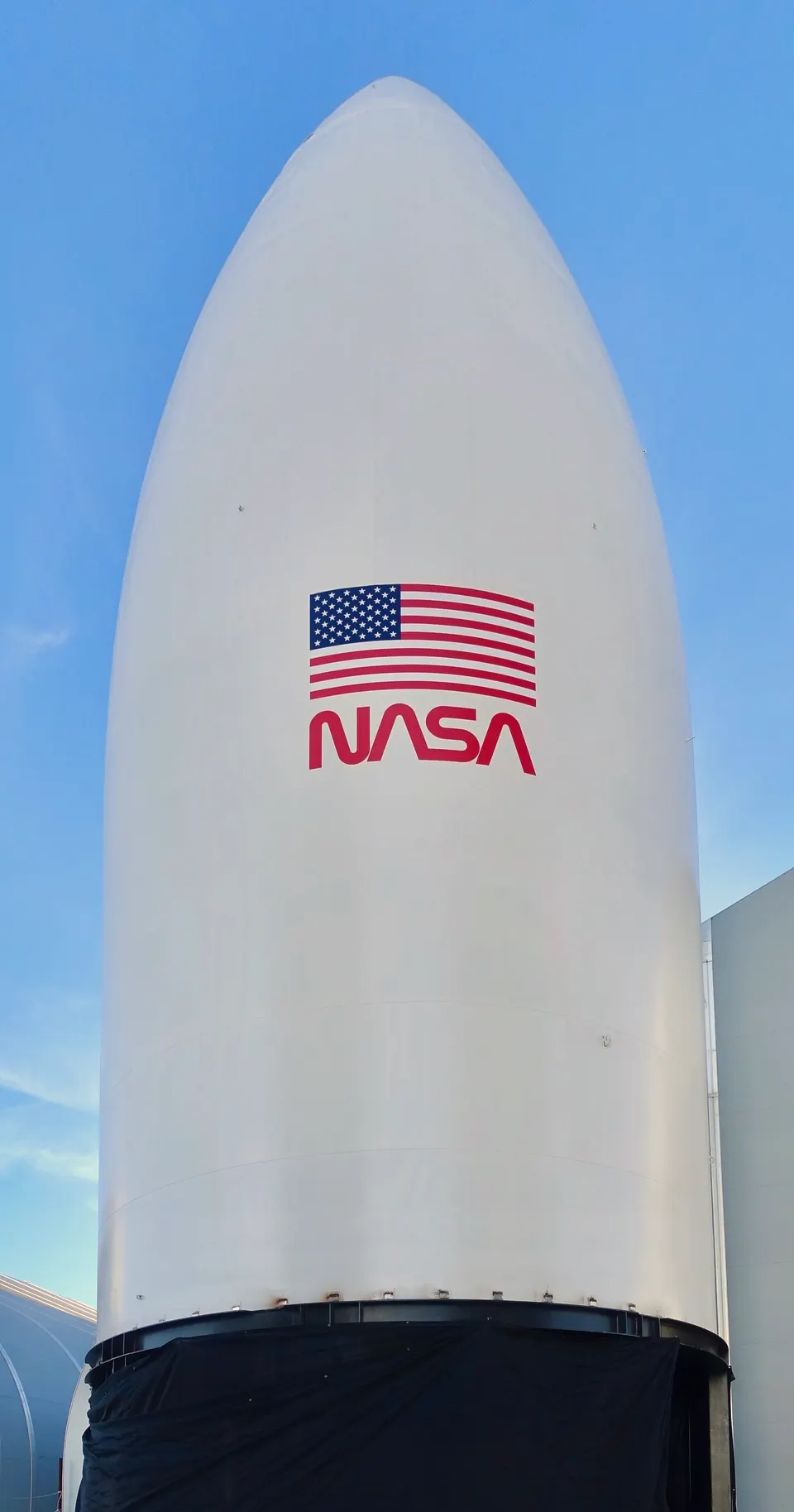
Moved liquid oxygen between tanks inside the ship in flight, a step in NASA's lander refuelling tests.
- 29 Sep 2017
Resized the plan to a 9 m rocket meant to replace Falcon and Dragon; the basis of today's Starship.
- 27 Sep 2016
First public plan for a fully reusable methane rocket to Mars with refuelling in orbit, the ancestor of Starship.
Open technical problems
- Reusing a whole rocket, top stage tooActive research
No one has reflown an orbital upper stage. Starship's heat shield must survive re-entry without repairs, then it must land or be caught.
- Refuelling ships in orbitActive research
Moon and Mars trips need hundreds of tonnes of super-cold fuel moved between ships in orbit. So far it's only been moved inside one ship.
- Launching often enoughOpen
Flying like an airline needs more pads, fast pad repairs, and FAA approvals and crash reviews that keep up with frequent tests.
Upcoming catalysts
- Jan2027Ax-5 private astronaut mission to the ISS (no earlier than)Dragonby ~4 mo
- 2027Artemis III: Orion rendezvous and docking test with commercial lander(s) in Earth orbitStarshipby ~15 mo
- 2028Artemis IV: first crewed Moon landing of the Artemis programStarship HLSby ~27 mo
Peers
Company & funding
- Valuation
- $2Tmarket cap
- Raised
- $1Bdisclosed private rounds
- Last round
- IPO (Nasdaq)12 Jun 2026
- Listed
- SPCX (opens google.com)NASDAQ
- HQ
- US
- Founded
- 2002
| Date | Round | Amount | Post-money | Lead |
|---|---|---|---|---|
| 12 Jun 2026 | IPO (Nasdaq) | $86B | — | Goldman Sachs, Morgan Stanley |
| Jan 2015 | Strategic (Google, Fidelity) | $1B | — | Google, Fidelity |
Partners & customers
- Customer
Commercial crew and cargo on Dragon; Starship HLS lander for Artemis
- Customer
National Security Space Launch missions on Falcon 9 and Falcon Heavy
- Partner
Absorbed by SpaceX in an all-stock deal in Feb 2026; now a subsidiary
- Customer
BlueBird satellites launched on Falcon 9
- Partner
Starlink direct-to-cell texting service in the US
- Supplier
Sold AWS-4 and H-block spectrum to SpaceX in 2025 for direct-to-cell
People
- Elon Musk (opens en.wikipedia.org)Founder, CEO and CTO
- Gwynne Shotwell (opens en.wikipedia.org)President and COO