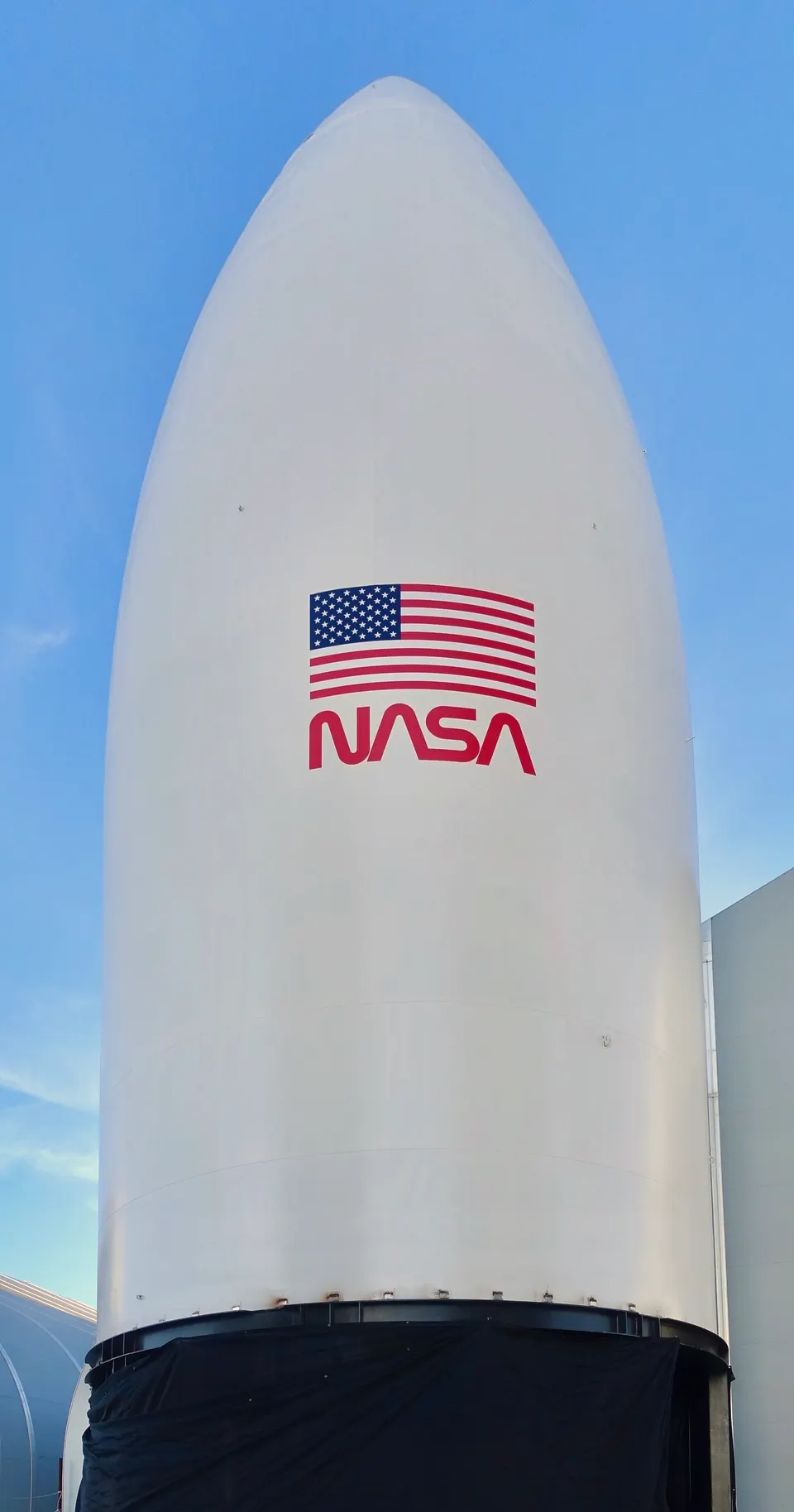

Milestones
- Selected by NASA as Artemis Human Landing System ($2.89B)16 Apr 2021Complete.
- Option B awarded for a second crewed landing ($1.15B)Nov 2022Complete.
- Artemis III changed to an Earth-orbit docking test2026Complete.
- Refuelling test in orbitNot yet reached.
- Uncrewed lunar landing demonstrationNot yet reached.
- Crewed lunar landing (Artemis IV)Target 2028+36 mo
originally 2025Not yet reached.
Most important updates
- 15 Jul 2026
- 30 Oct 2025
- 20 Oct 2025
- 4 Nov 2021
- 30 Jul 2021
Upcoming
- 2027Artemis III Earth-orbit docking test with Orion (next)
- 2028Crewed lunar landing (Artemis IV)+36 mo
originally 2025
Current obstacles
- Many tanker flights per tripEach Moon trip needs a depot filled by many tanker launches in a row, so launch rate and fuel boil-off decide if it works.
Physics limits
- Cryogenic fuel boils away while the lander waitsLiquid oxygen (−183 °C) and methane (−162 °C) absorb sunlight and heat from the ship. Over weeks of tanker launches and a lunar stay, boil-off eats margin that only insulation and fast refuelling can protect.
- Landing blasts the Moon's surfaceWith no air to slow it, the lander brakes on engines alone. Their exhaust can fling dust and rocks outward at up to a kilometre or two per second, a hazard to the ship itself and anything nearby.
- A tall lander on uneven ground can tipA 50 m ship has a high centre of gravity. On slopes or boulders of a few degrees, the margin before it topples shrinks, and there is no one to right it.
How it works
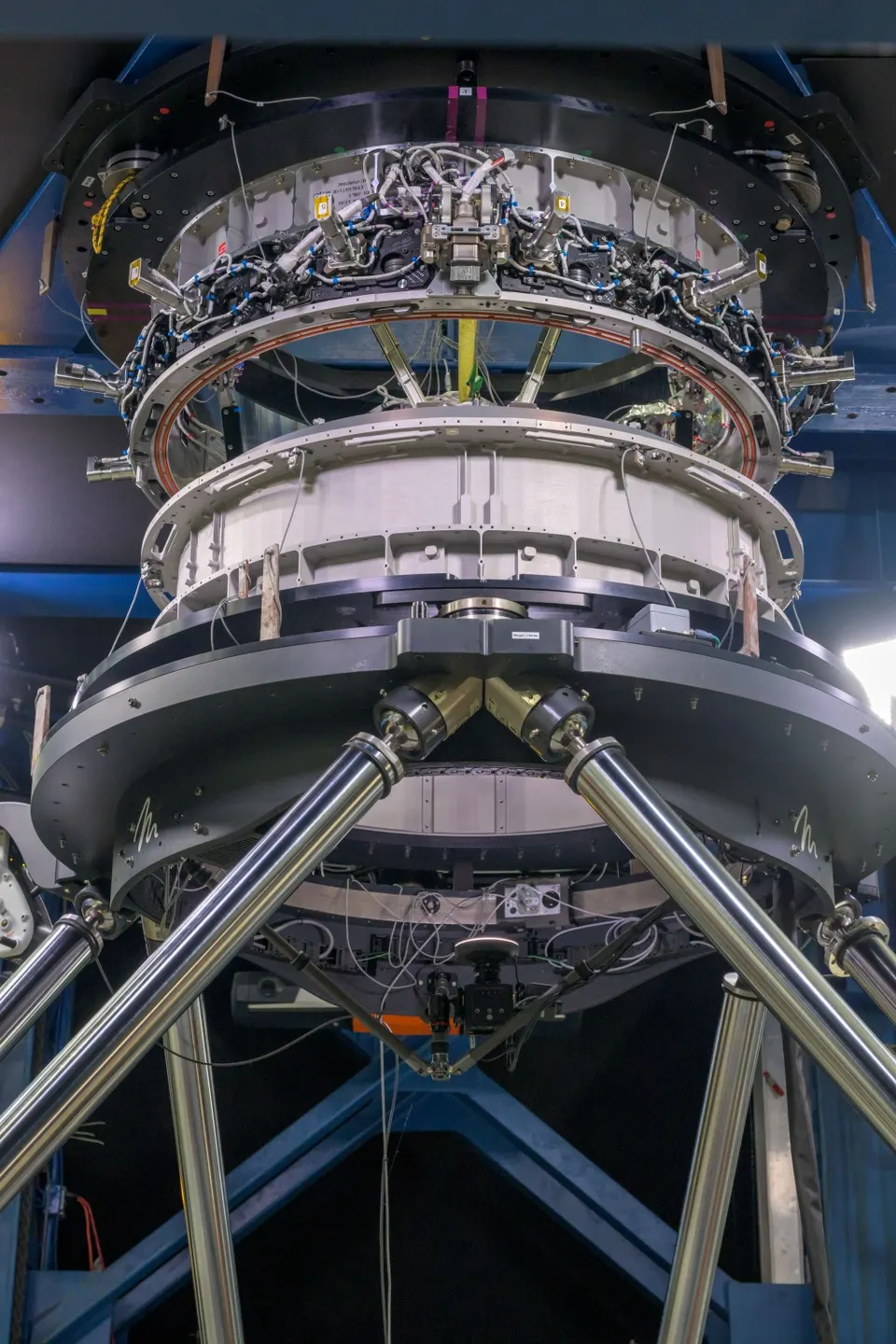
Filled up in Earth orbit
The lander launches mostly empty. Around ten or more tanker Starships then deliver fuel to a depot, which tops up the lander for the trip to the Moon.
Waits for the crew near the Moon
It flies to a high, stretched orbit around the Moon, where astronauts arrive separately in NASA's Orion capsule and dock to cross over.
Soft landing with engines up high
Main engines brake from orbit; near the ground, thrusters placed high on the hull take over so the blast doesn't dig craters or throw rocks at the ship.
An elevator to the ground
The crew cabin sits high on the hull. An elevator lowers astronauts and cargo to the surface; the same ship then lifts them back to Orion.
Update log
Wed 15 Jul
- Minor: RegulatorPartnership
Thu 30 Oct 2025
- Minor: PressOther
Mon 20 Oct 2025
- Major: PressCommercial
Thu 4 Nov 2021
- Major: RegulatorRegulatory
Fri 30 Jul 2021
- Major: RegulatorRegulatory
About SpaceX
SpaceX
Starship, Falcon 9, Dragon, Starlink, xAI
SpaceX builds the reusable Falcon 9 rocket, the Dragon capsule, the Starlink internet satellites and the giant Starship. It flies most of the world's launches, merged with Elon Musk's xAI in Feb 2026 and listed on Nasdaq in June 2026.
- Falcon 9 flew about 165 missions in 2025, most of them Starlink, on boosters now reflown 30+ times.
- Starship V3 (Raptor 3, Pad 2) debuted in May 2026; Flight 14 in late September 2026 is planned as the first orbital Starship flight.
- Starlink passed 12 million subscribers by mid-2026 and funds Starship; the June 2026 IPO raised about $86B.
- Founded
- 200224 yrs
- Headquarters
- United States
- Status
- Public
- Listed
- SPCX (opens google.com)NASDAQ
- Valuation
- $2Tmarket capSep 2026
- Raised
- $1B1 round
- Last round
- IPO (Nasdaq) · $86B12 Jun 2026
- Works in
- SpaceflightLaunchAIComputing
- Coverage
- 5 programs · 27 updateslatest 29 Aug 2026checked 25 Sep
- Lead investors
- Goldman SachsMorgan StanleyGoogleFidelity
- Partners
- xAIT-Mobile (opens t-mobile.com)
- Suppliers
- EchoStar (opens echostar.com)
- People
- Elon Musk (opens en.wikipedia.org)Founder, CEO and CTOGwynne Shotwell (opens en.wikipedia.org)President and COO