
The brief
- Electron is the second most-flown US-operated orbital rocket after Falcon 9.
- Neutron's first flight slipped to no earlier than Q4 2026 after a tank failed in testing in Jan 2026.
- Satellites and parts make most of its money; it built NASA's ESCAPADE Mars probes.
Technical approach
Battery-powered fuel pumps
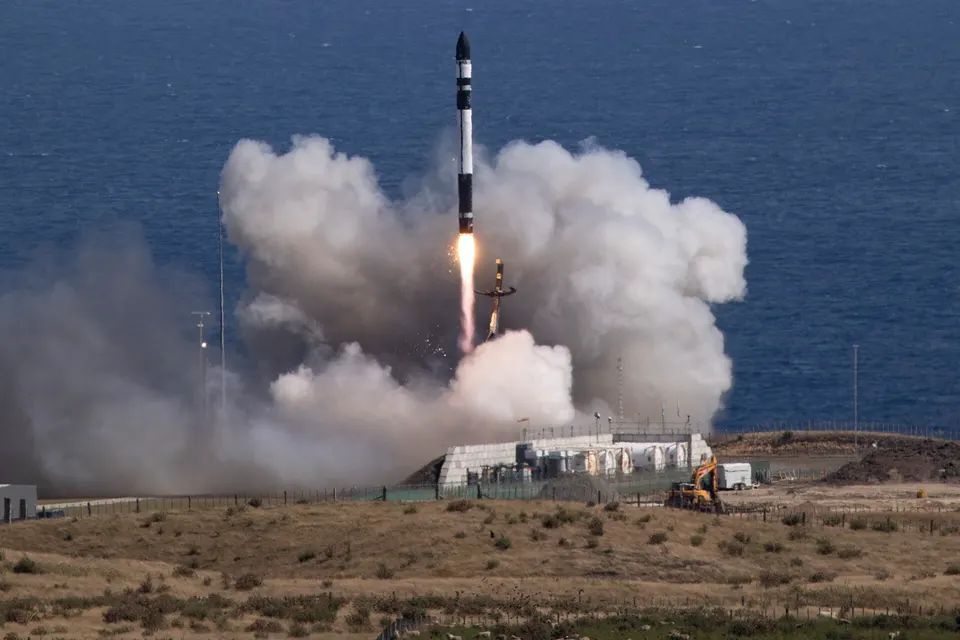
Electron's 3D-printed Rutherford engines use battery-driven electric pumps, which keeps a small engine simple but adds battery weight.
Carbon-fibre structures
Both rockets use light carbon-fibre tanks and bodies; Neutron is one of the largest carbon-fibre rocket parts ever built.
Nose cone that stays on
Neutron's 'Hungry Hippo' nose cone opens in space to release the upper stage, then lands with the booster, so almost nothing is thrown away.
Buying suppliers
By buying parts makers (solar cells, reaction wheels, radios), Rocket Lab can build whole satellites and sell parts to others.
Rocket Lab, two programs
Updated 1d ago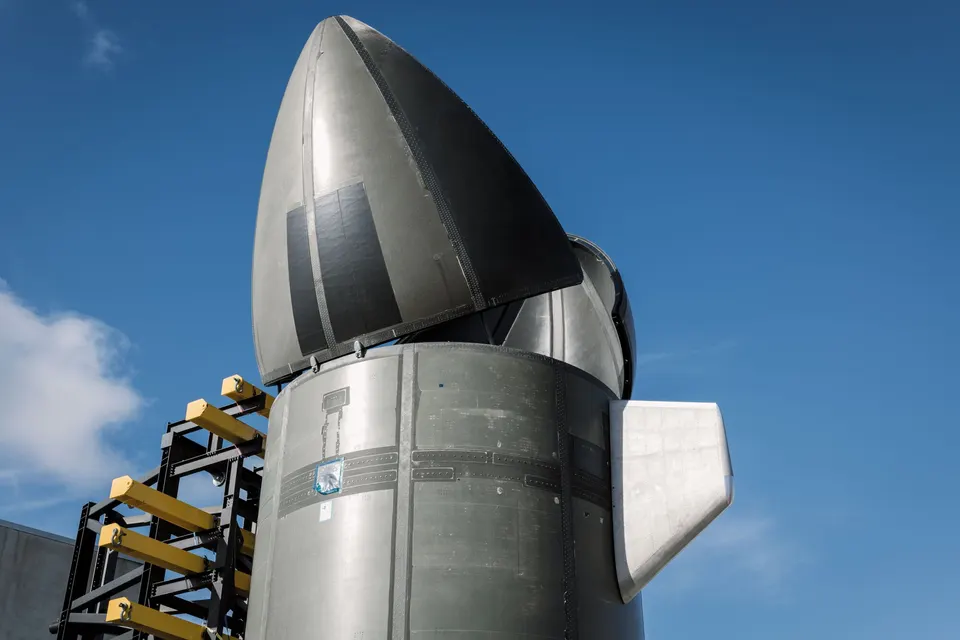
Research & demos
- 28 Jun 2022
Showed a small rocket plus an extra push stage can send a probe all the way to the Moon.
- 2 May 2022
Tried catching a falling first stage with a helicopter; the company later switched to picking it up from the sea.
Open technical problems
- Getting Neutron to orbitActive research
A new carbon-fibre body, new engine and new pad must all work together; few new rockets reach orbit on the first try.
- Small rockets vs. carpoolingOpen
Sharing a Falcon 9 ride is cheaper per kg, so Electron relies on customers who want their own date and exact orbit.
Peers
Company & funding
- Listed
- RKLB (opens google.com)NASDAQ
- HQ
- US/NZ
- Founded
- 2006
Partners & customers
- Customer
CAPSTONE lunar cubesat launch; ESCAPADE Mars spacecraft
- Customer
Prime for Tranche 2 Transport Layer satellites
- Partner
ESCAPADE flew on New Glenn NG-2
People
- Peter Beck (opens en.wikipedia.org)Founder and CEO