
Milestones
- Test reactor achieves zero-power criticalityAug 2026Complete.
- Lunar flight test (NASA partnership)Target 2028Not yet reached.
Most important, last 3 months
Upcoming
- 2028Lunar flight test (NASA partnership) (next)
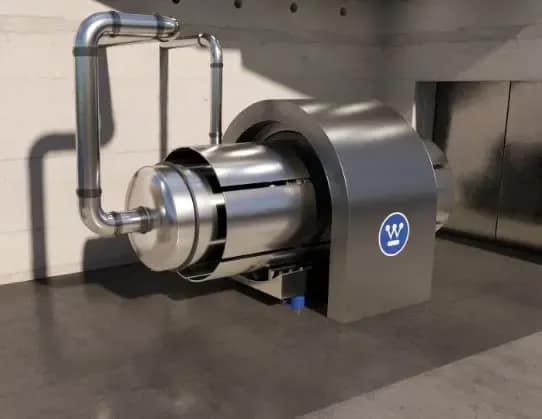
Provide modular, remote power for bases, lunar, and distributed applications without refueling.
Zero-power criticality test passed Aug 2026 at Nevada site. Air Force selected for base microreactors.
Updated 26 Aug 2026Checked 11 Oct0 updates this week
Fluid evaporates at hot end, condenses at cold end, moving heat without pumps.
High-pressure helium or nitrogen gas spins a turbine directly, then rejects residual heat via air radiators. No water cooling means it works anywhere.
Each fuel particle is coated with multiple ceramic layers that contain fission products and resist damage up to very high temperatures, enabling passive safety.
Drums with absorber material control reactivity without penetrating core, simplifying design.
| Spec | eVinci Microreactor |
|---|---|
| Electrical power output | 5 MWeR (reported) |
| Thermal power output | 15 MWthR (reported) |
| Refueling cycle | 8+ yearsR (reported) |
| Test reactor scale | One-fifth commercial designR (reported) |
| NASA lunar variant power | 40 kWeR (reported) |
R reported by the company
Westinghouse
AP1000, AP300, nuclear reactors, APX platform, small modular reactor
Westinghouse develops the AP1000 (1200 MW) and AP300 (300 MW) reactors. US deployment backed by $17.5B DOE loans and Amentum partnerships.
westinghousenuclear.com (opens westinghousenuclear.com)Company profile →