
Milestones
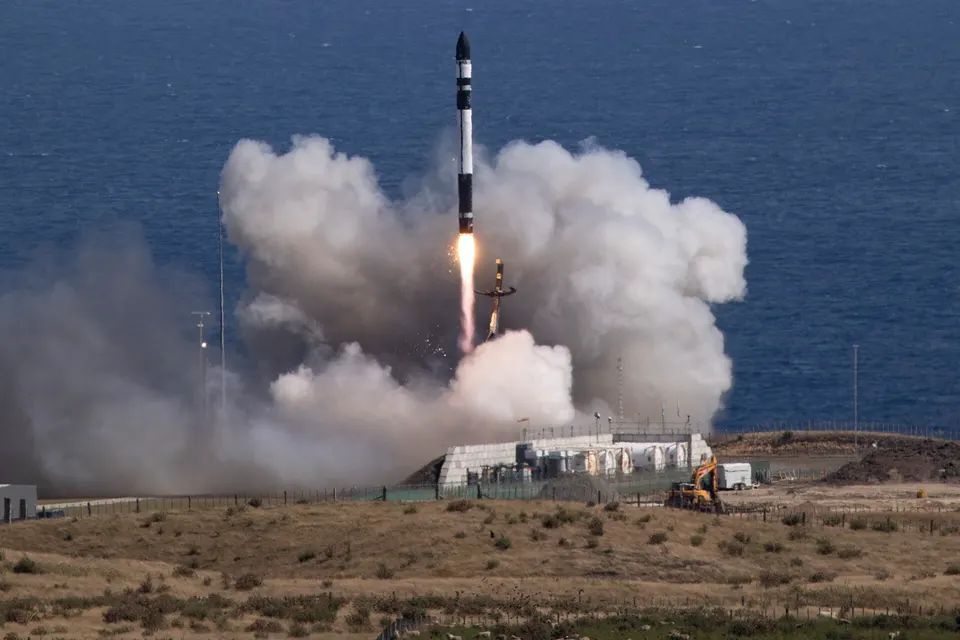
- First launch ('It's a Test') fails to reach orbit25 May 2017Complete.
- First orbit ('Still Testing')21 Jan 2018Complete.
- First HASTE suborbital missionJun 2023Complete.
Most important updates
- 29d ago
- 2 May 2022
- 15 May 2021
- 20 Nov 2020
- 4 Jul 2020
Physics limits
- Small rockets are less efficient by geometryAvionics, engines, valves and tank walls don't shrink in step with the rocket, and drag and gravity losses weigh more on a small vehicle. So payload as a share of liftoff mass falls as rockets get smaller.
- Batteries only suit small enginesLithium cells hold about 250 Wh/kg, far less than burning a little fuel in a turbine. Electric pumps work for Electron's small engines but the battery mass becomes prohibitive for large ones.
- The rocket equation makes payload a sliver of launch massOrbit needs about 9.4 km/s of speed change including losses. Fuel needed grows exponentially with that, so even the best rockets put only 2 to 5% of their liftoff mass into low orbit.
How it works
Structure
Carbon fibre instead of metal
Tanks and body are made of carbon composite, which is lighter than aluminium; this matters more on a small rocket.
Engines
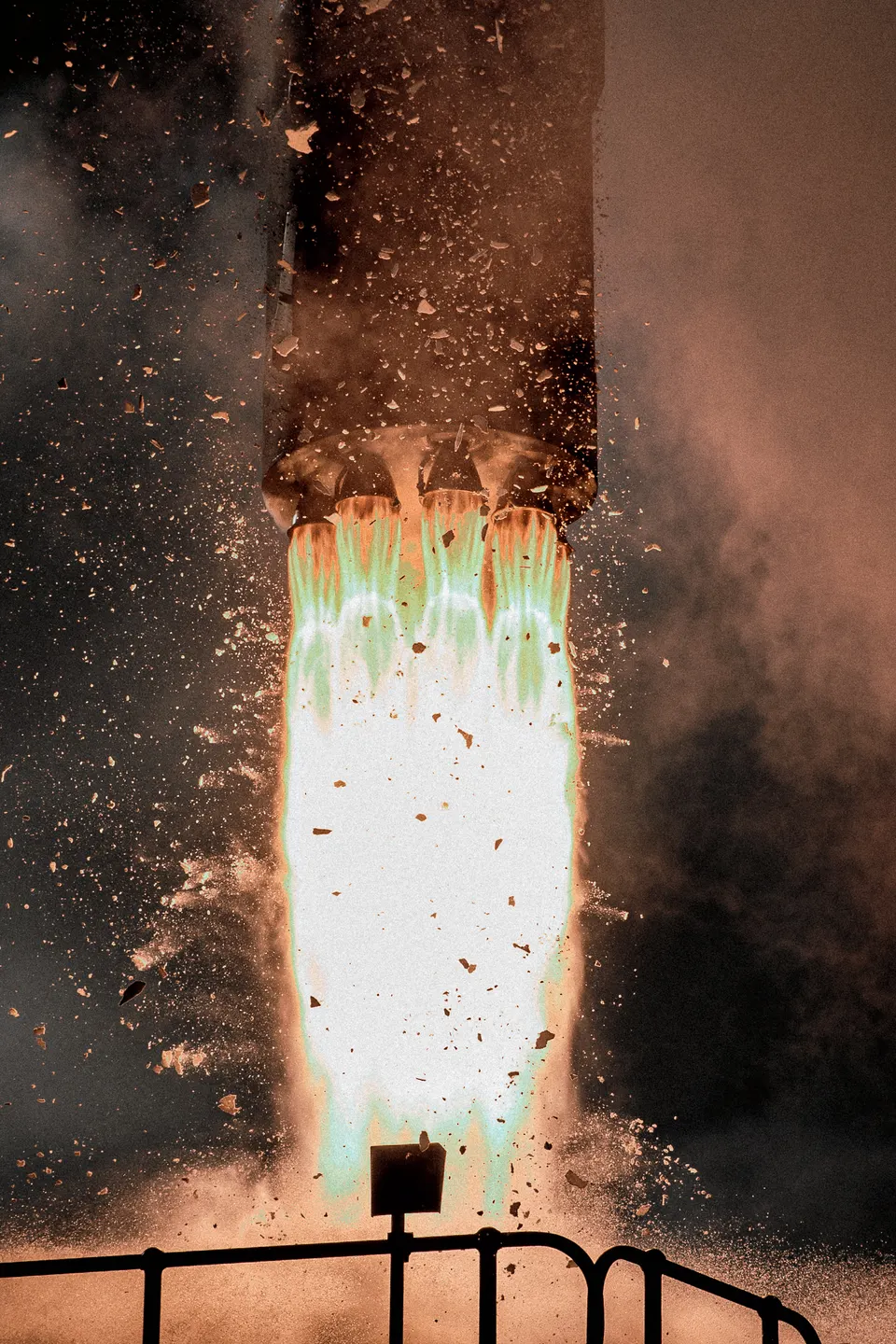
Pumps driven by batteries
Its Rutherford engines use electric motors and lithium batteries to spin the fuel pumps, avoiding the complex gas turbines of big engines.
Kick stage
A tug for exact orbits
A small third stage can relight several times to drop satellites into their own orbits, then deorbit itself.
Papers & demos
- 2 May 2022demoHelicopter mid-air capture of a returning Electron booster (opens nasaspaceflight.com)Tried catching a falling first stage with a helicopter; the company later switched to picking it up from the sea.
Update log
Fri 11 Sep
- Minor: PressCommercial
Mon 2 May 2022
- Minor: PressTest
Sat 15 May 2021
- Minor: PressTest
Fri 20 Nov 2020
- Major: PressTest
Sat 4 Jul 2020
- Major: PressTest
About Rocket Lab
Rocket Lab
Electron, Neutron, satellites, parts
Rocket Lab flies the small Electron rocket from New Zealand and Virginia and is building the reusable, bigger Neutron. It also builds satellites and satellite parts, and US military satellites.
- Electron is the second most-flown US-operated orbital rocket after Falcon 9.
- Neutron's first flight slipped to no earlier than Q4 2026 after a tank failed in testing in Jan 2026.
- Satellites and parts make most of its money; it built NASA's ESCAPADE Mars probes.
- Founded
- 200620 yrs
- Headquarters
- United StatesNew Zealand
- Status
- Public
- Listed
- RKLB (opens google.com)NASDAQ
- Valuation
- public
- Works in
- SpaceflightLaunch
- Coverage
- 2 programs · 12 updateslatest 29d agochecked 25 Sep
- Partners
- Blue Origin
- People
- Peter Beck (opens en.wikipedia.org)Founder and CEO