
The brief
- Its milder mustard greens launched in 2023; it stopped marketing them in 2024 to focus on licensing and higher-value crops.
- Unveiled the first seedless blackberry in June 2024; it cleared USDA review and heads to grower trials.
- Builds its own editing tools, including base editors, so it doesn't depend on standard CRISPR licences.
Technical approach
Fulcrum platform
Its toolkit includes CRISPR and base editors, which change single DNA letters, to make precise edits with no foreign DNA left.
Switching off unwanted genes
Many edits just turn a gene off: the one that makes mustard greens pungent, or ones behind blackberry seeds and thorns.
Skipping decades of breeding
Editing top varieties directly avoids long cross-breeding, which is especially slow in fruit plants that live for years.
Pairwise, two programs
Updated 1 Jan 2025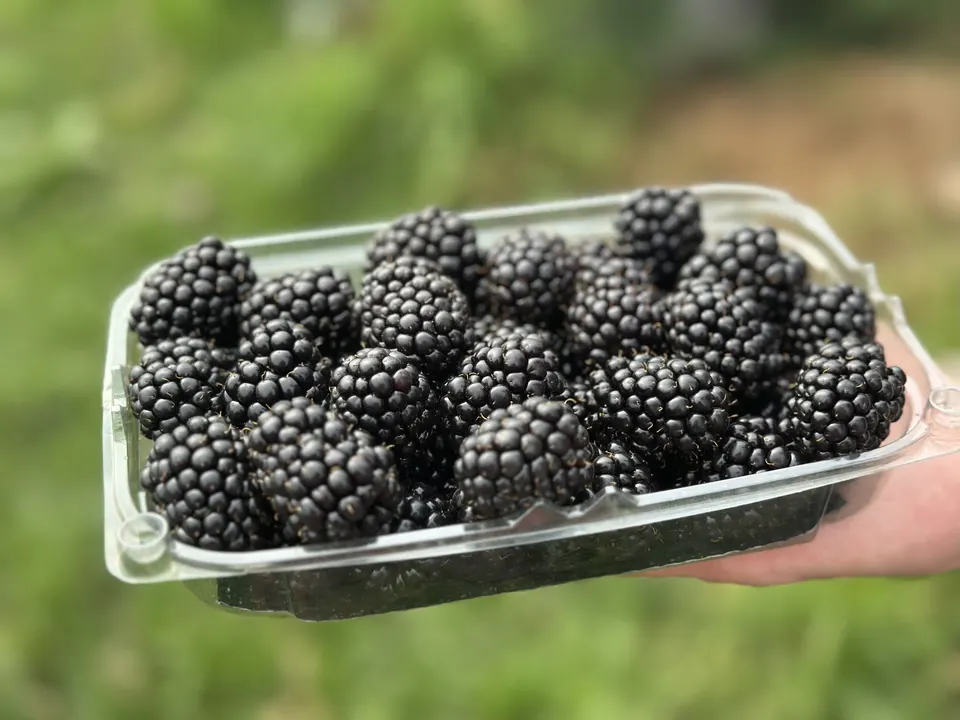

Research & demos
- Jun 2024
First seedless blackberry, made by editing one gene pathway in a top variety.
- May 2023
First CRISPR-edited food sold in the US.
Open technical problems
- Regulatory uncertaintyOpen
A 2024 court ruling struck down USDA's SECURE rule, bringing back older rules; the EU, China and others differ too.
- Will shoppers pay?Open
Conscious Greens showed premium gene-edited produce struggles on shelves without a clear taste or price edge.
Peers
Company & funding
- Raised
- $90Mdisclosed private rounds
- Last round
- Series BJan 2021
- HQ
- US
- Founded
- 2017
| Date | Round | Amount | Post-money | Lead |
|---|---|---|---|---|
| Jan 2021 | Series B | $90M | — | Deerfield Management |
Partners & customers
- Partner
Long-running collaboration and licensing of Pairwise editing tools for row crops
- Partner
Collaboration on gene-editing tools
- Investor
Led the 2021 Series B
People
- Tom Adams (opens pairwise.com)Co-founder & CEO
- Haven BakerCo-founder