
Milestones
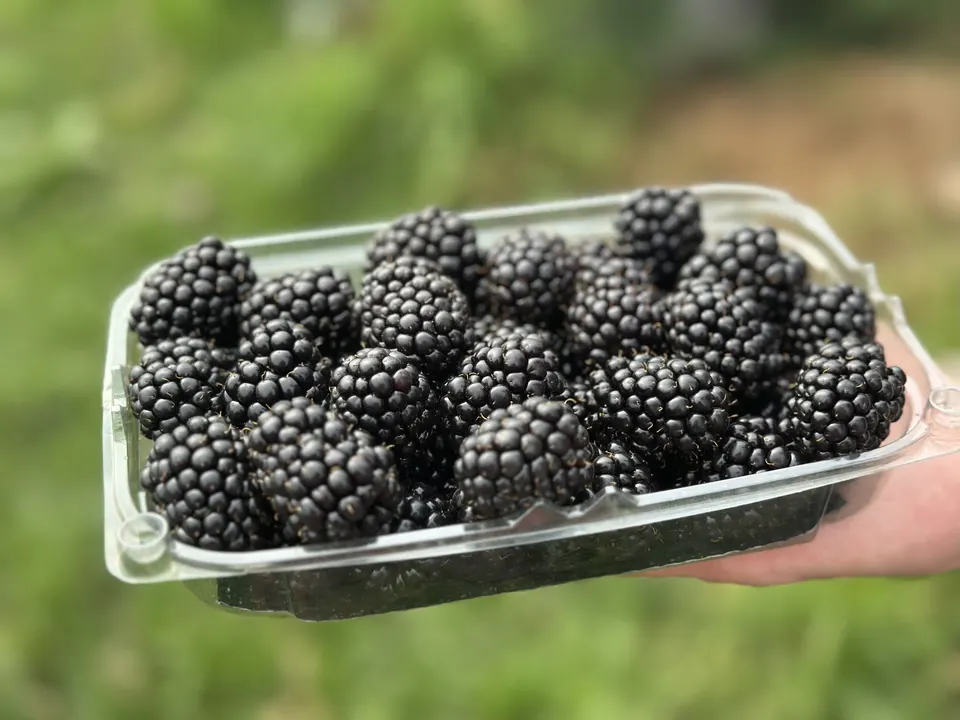
- Seedless blackberry unveiledJun 2024Complete.
- USDA plant-pest review cleared2025Complete.
- Pre-commercial grower field trialsTarget 2026Current milestone.
- Retail availabilityTarget 2030Not yet reached.
Most important updates
- 2025
- 2025
- 17 Sep 2024
- 4 Jun 2024
- 15 Apr 2020
Upcoming
- 2026Pre-commercial grower field trials (next)
- 2030Retail availability
Current obstacles
- Yield and fruit quality in the fieldSeedless fruit can be smaller or less productive; years of trials must show it yields enough to sell.
- Slow trialsBerry bushes take years to establish, so field testing is slow.
Physics limits
- Seeds make the hormones that make fruit growDeveloping seeds release growth hormones that swell the fruit around them. Removing hard seeds can shrink berries or reduce set, so seedless traits must be paired with ways to keep fruit size up.
- Berry plants take years per generationA blackberry cane typically fruits in its second year, so each test cycle in the field takes years. Editing is fast, but proving yield and taste across seasons and sites is not.
- Several gene copies may all need editingMany cultivated blackberries carry four or more copies of each chromosome. A trait only shows if enough copies are changed, which makes multi-copy edits harder to get and to confirm.
How it works
Target
Find the seed and thorn genes
Scientists find genes that stop seeds or thorns when switched off in related plants, then find the blackberry's version.
Edit
Precise changes in top plants
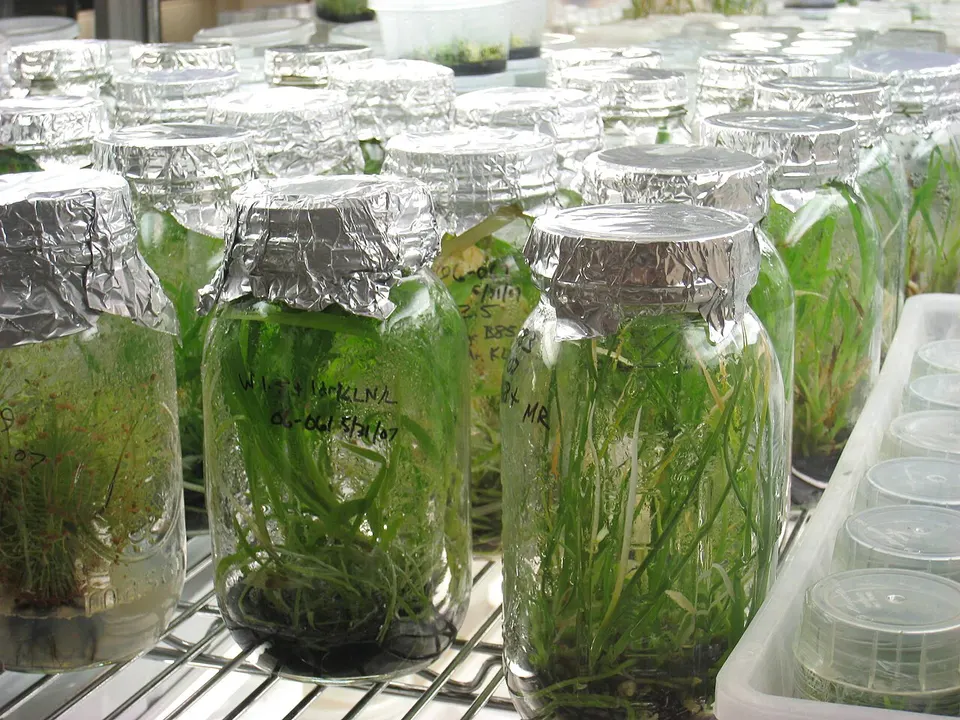
Editing tools go into plant cells; edited cells regrow into whole plants, and the tools are then bred out.
Propagate
Copying by cuttings
Blackberries grow from cuttings, so one good edited plant can be multiplied without more breeding.
Spec sheet
| Spec | Seedless, thornless blackberry |
|---|---|
| Target traits | Seedless, thornless, compactR (reported) |
| Foreign DNA in final plant | NoneR (reported) |
R reported by the company
Papers & demos
- Jun 2024demoSeedless blackberry (opens pairwise.com)First seedless blackberry, made by editing one gene pathway in a top variety.
Update log
2025
- Minor: BlogCommercial
- Minor: BlogTest
Tue 17 Sep 2024
- Major: BlogFunding
Tue 4 Jun 2024
- Major: PressResearch
Wed 15 Apr 2020
- Minor: BlogPartnership
About Pairwise
Pairwise
CRISPR crops, seedless blackberry, Fulcrum platform
Gene-editing company in Durham, North Carolina, co-founded by CRISPR pioneers. It sold the first CRISPR-edited food in the US in 2023, is developing fruit like a seedless blackberry and pitless cherries, and licenses its Fulcrum tools to Bayer and others.
- Its milder mustard greens launched in 2023; it stopped marketing them in 2024 to focus on licensing and higher-value crops.
- Unveiled the first seedless blackberry in June 2024; it cleared USDA review and heads to grower trials.
- Builds its own editing tools, including base editors, so it doesn't depend on standard CRISPR licences.
- Founded
- 20179 yrs
- Headquarters
- United States
- Status
- Private
- Valuation
- private
- Raised
- $90M1 round
- Last round
- Series B · $90MJan 2021
- Works in
- AgricultureGene-edited cropsBiotech
- Coverage
- 2 programs · 9 updateslatest 19 Sep 2025checked 25 Sep
- Lead investors
- Deerfield Management
- People
- Tom Adams (opens pairwise.com)Co-founder & CEOHaven BakerCo-founder