The brief
- ReWalk got the first FDA clearance for a spinal-cord-injury exoskeleton (2014); ReWalk 7, the 7th generation, was cleared in March 2025.
- Medicare set a $91,032 payment for personal exoskeletons from April 2024, the first real route for patients to afford one.
- Small and cash-constrained: Q2 2026 revenue was $6.6M (ReWalk plus AlterG); July 2026 notes raised $5.6M, with $5.6M more on milestones.
Technical approach
Powered joints
Motors at hips and knees
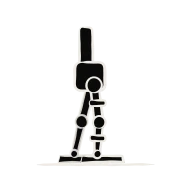
Gears and motors at each hip and knee move the legs through a walking pattern; the ankles and the user's crutches provide balance.
Intent
Body tilt starts each step
A tilt sensor reads when the user leans forward and shifts weight, and the exoskeleton takes the next step in response.
Real-world use
Built for home and street
Unlike clinic-only rehab frames, ReWalk is labelled for daily use at home and in the community, including stairs and curbs.