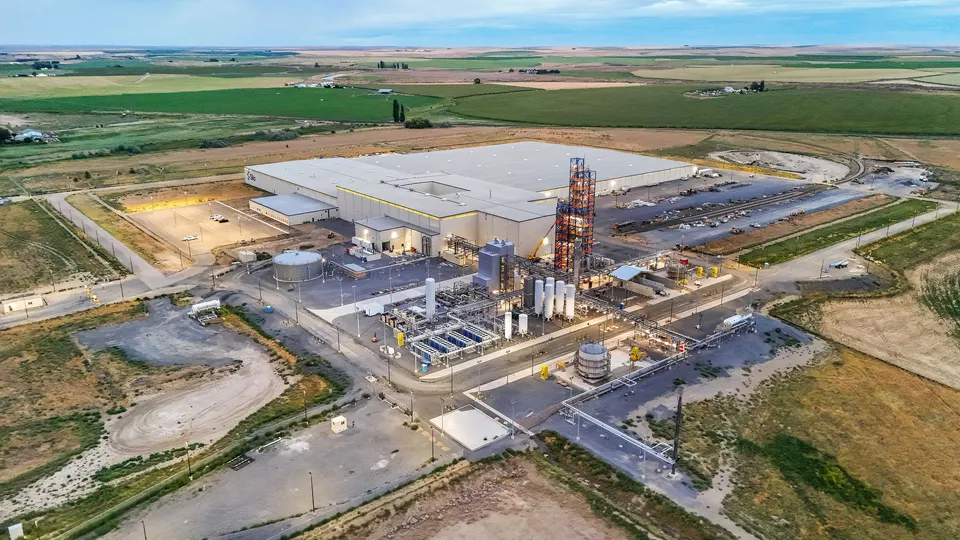

Milestones
- Titan Silicon ships in consumer device (WHOOP 4.0)2021Complete.
- Moses Lake site selected2022Complete.
- Moses Lake plant begins operationsQ4 2025Complete.
- Next-phase capacity expansionNowCurrent milestone.
Most important updates
- 4 Sep 2026
- 20 Aug 2026
- 7 Aug 2026
- Jul 2026
- Q4 2025
Current obstacles
- Carmaker approvalCarmakers take years to approve new materials; volumes depend on cell makers using lots of silicon.
Physics limits
- Silicon swells about 300% when fullEach silicon atom can bind up to 3.75 lithium atoms, about 10× graphite per gram, but the material swells ~300%, so particles and electrodes flex hard every cycle.
- Every crack eats lithiumFresh silicon surface reacts with electrolyte and forms a film that traps lithium; swelling cracks the film each cycle, so capacity fades faster than with graphite.
How it works
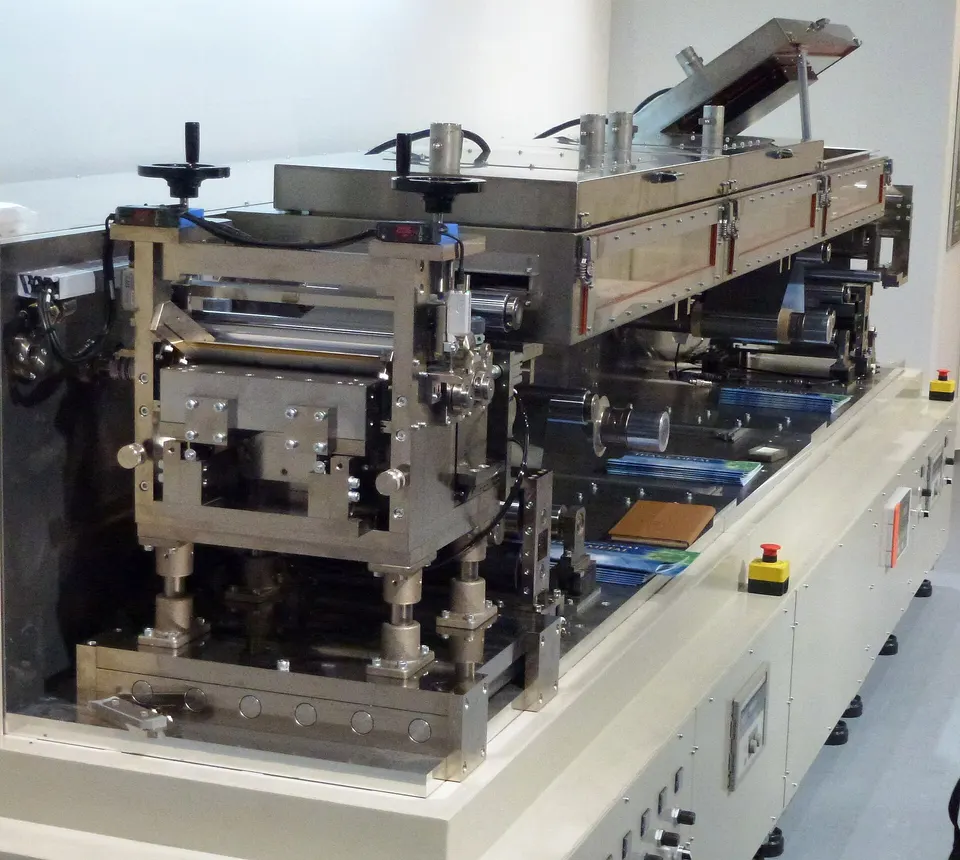
Particle
Silicon with built-in space
Sila builds each particle as a porous structure, so silicon swells into internal space while the particle's outer size stays nearly the same.
Drop-in
Can replace graphite outright
Titan Silicon is a drop-in powder that can fully replace graphite rather than just blending in, which Sila says adds 20% or more cell energy.
Plant
Made in Moses Lake
The Washington plant runs on local hydropower; its first phase supplies anode material for about 2–5 GWh of cells a year.
Spec sheet
| Spec | Titan Silicon and Moses Lake |
|---|---|
| Initial capacity | ~2 GWh/yr equivalentR (reported) |
| Designed expansion | Up to 250 GWh/yrR (reported) |
| Site | 160 acresR (reported) |
R reported by the company
Update log
Fri 4 Sep
- Minor: PressOther
Thu 20 Aug
- Minor: PressManufacturing
Fri 7 Aug
- Major: PressFunding
Jul 2026
- Major: PressFunding
Q4 2025
- Major: PressManufacturing
About Sila Nanotechnologies
Sila Nanotechnologies
Titan Silicon anode, Moses Lake plant
Sila (founded 2011 by Gene Berdichevsky, Gleb Yushin and Alex Jacobs) makes Titan Silicon, a silicon anode powder that replaces graphite so cells hold more energy. It opened a US plant in Moses Lake, Washington, in 2025.
- Moses Lake started in autumn 2025 at about 2 GWh of batteries a year, and is designed to grow much larger.
- Raised $300M in July 2026 led by Atreides Management and Sutter Hill Ventures to expand Moses Lake.
- Partners include Mercedes-Benz and Panasonic; demand is also growing from AI devices and defense.
- Founded
- 201115 yrs
- Headquarters
- United States
- Status
- Private
- Valuation
- private
- Raised
- $1.3B3 rounds
- Last round
- Growth round · $300MJul 2026
- Coverage
- 1 program · 5 updateslatest 4 Sep 2026checked 25 Sep
- Lead investors
- Atreides ManagementSutter Hill VenturesCoatue
- Customers
- Mercedes-BenzPanasonic Energy
- Investors
- Sutter Hill Ventures (opens shv.com)
- People
- Gene Berdichevsky (opens silanano.com)Co-founder & CEOGleb Yushin (opens silanano.com)Co-founder