

Milestones
- Qilin unveiledJun 2022Complete.
- First vehicle deliveries with Qilin packs2023Complete.
- Multiple OEMs adopt Qilin2024Complete.
Most important updates
- 16 May 2023
- 18 Apr 2023
- 21 Mar 2023
- 27 Aug 2022
- 23 Jun 2022
Current obstacles
- RepairabilityModule-free packs are harder to repair or partly replace after damage.
Physics limits
- Packaging can't beat the cells insideCell-to-pack only removes dead weight. Once most of the pack is cells, chemistry sets the ceiling, and nickel lithium-ion cells are already near ~300 Wh/kg.
- Charge too fast and lithium plates as metalAbove a certain rate, lithium ions pile up on the graphite surface as metal instead of slotting in, which wears the cell and can short it; cold makes this worse.
- Charging heat grows with current squaredResistive heat scales with current squared, so charging at 4C makes about 16 times the heat of 1C; cooling, not chemistry, often limits charge speed.
How it works
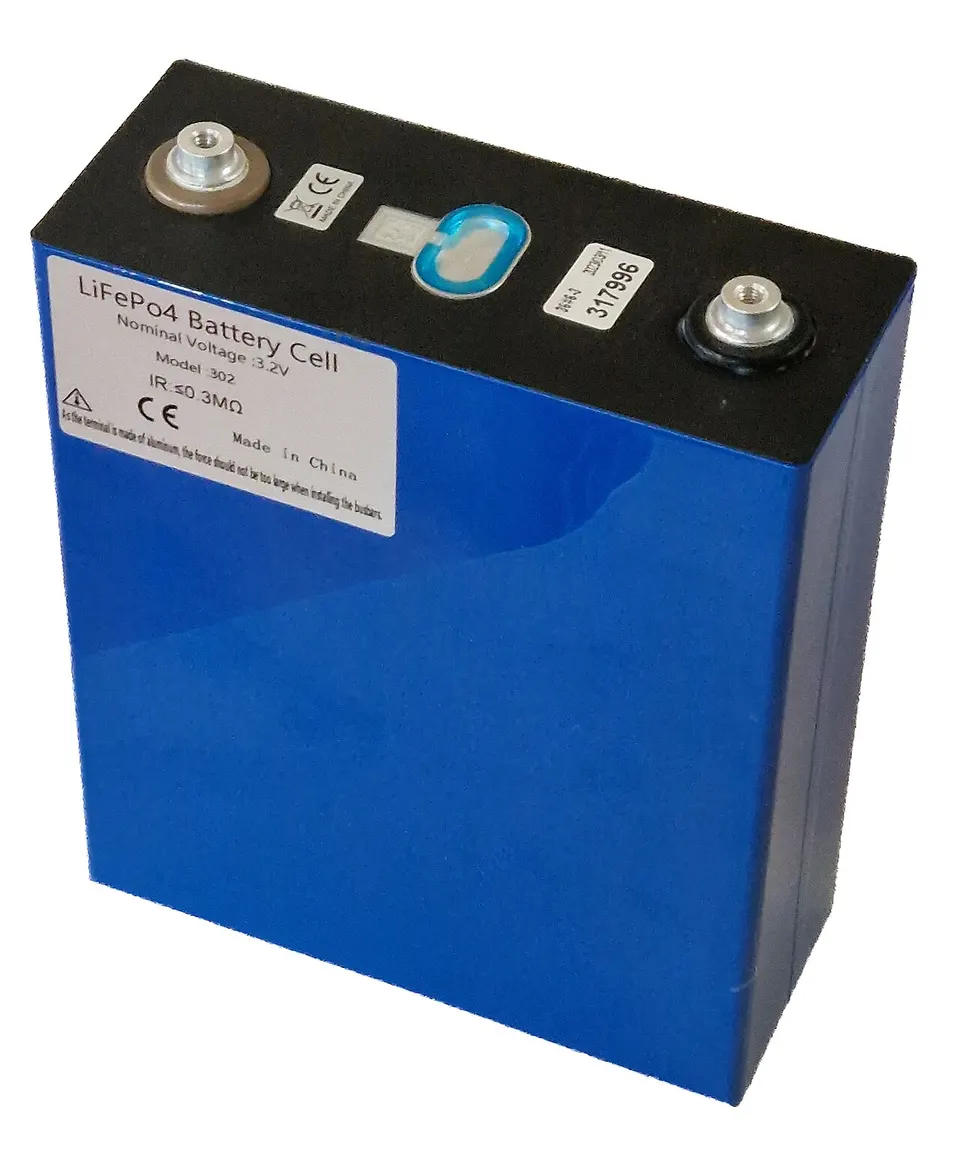
Cell-to-pack
No modules
Cells go straight into the pack instead of into modules first, so about 72% of the pack's volume is cells, well above older designs.
Cooling
Cooling plates between cells
Liquid-cooled plates sit between cells instead of underneath, about four times the cooling area, so cells can fast-charge without overheating.
Output
More energy per pack
CATL quotes up to 255 Wh/kg at pack level with nickel cells and 160 Wh/kg with LFP, enough for about 1,000 km in some cars.
Spec sheet
| Spec | Qilin (CTP 3.0) |
|---|---|
| Pack energy density (ternary) | 255 Wh/kgR (reported) |
| Volume utilisation | ~72%R (reported) |
R reported by the company
Papers & demos
- Jun 2022demoQilin CTP 3.0 battery (opens catl.com)Showed a module-free pack reaching 255 Wh/kg with nickel-based cells.
Update log
Tue 16 May 2023
- Minor: PressCommercial
Tue 18 Apr 2023
- Minor: PressCommercial
Tue 21 Mar 2023
- Major: PressManufacturing
Sat 27 Aug 2022
- Minor: PressCommercial
Thu 23 Jun 2022
- Major: PressHardware
About CATL
CATL
EV and grid batteries, LFP, sodium-ion, cell-to-pack
China's CATL is the world's largest battery maker, with over a third of the global EV battery market. It supplies Tesla, BMW, Volkswagen and most Chinese carmakers, and licenses LFP tech to Ford. Listed in Shenzhen and, since May 2025, Hong Kong.
- EV battery leader with ~37-38% global market share in 2024-2025 (SNE Research).
- Launched Naxtra, a lithium-free 175 Wh/kg sodium-ion cell, in April 2025 for cars and storage.
- Raised ~$4.6B in a May 2025 Hong Kong listing, partly to fund its plant in Debrecen, Hungary.
- Founded
- 201115 yrs
- Headquarters
- China
- Status
- Public
- Listed
- 300750 (opens google.com)SZSE
- Valuation
- public
- Coverage
- 2 programs · 14 updateslatest 16 Jul 2026checked 25 Sep
- Customers
- TeslaBMW (opens bmwgroup.com)
- People
- Robin Zeng (Zeng Yuqun) (opens en.wikipedia.org)Founder & Chairman