

Milestones
- First people dosed2024Complete.
- Early results at AHA and in NEJMNov 2025Complete.
- Data on how long it lasts, at ESC28 Aug 2026Complete.
- Next trial in very high blood fats or cholesterolNowCurrent milestone.
Most important updates
- 28 Aug 2026
- Nov 2025
Upcoming
- 2026Phase 1b clinical update for CTX310 (next)
Current obstacles
- Permanent fix for a common diseaseUnlike statins, the effect can't be stopped, so regulators will want long safety data when other drugs already exist.
Physics limits
- Fat-bubble delivery mostly reaches the liverIn the blood, lipid nanoparticles pick up a protein (ApoE) that liver cells absorb. That makes the liver easy to edit, but most other organs (brain, muscle, lungs) remain hard to reach with enough dose.
- Edits in the body are permanent and can't be recalledOnce liver cells are edited, the change lasts for life and is copied as cells renew. Any off-target cut or unexpected long-term effect can't be undone, so safety must be proven over years.
- Guides can bind near-matching DNA elsewhereA 20-letter guide can tolerate a few mismatches, so the editor may act at similar sites among 3 billion letters. Screening reduces but can't fully rule out rare off-target edits in every cell.
How it works
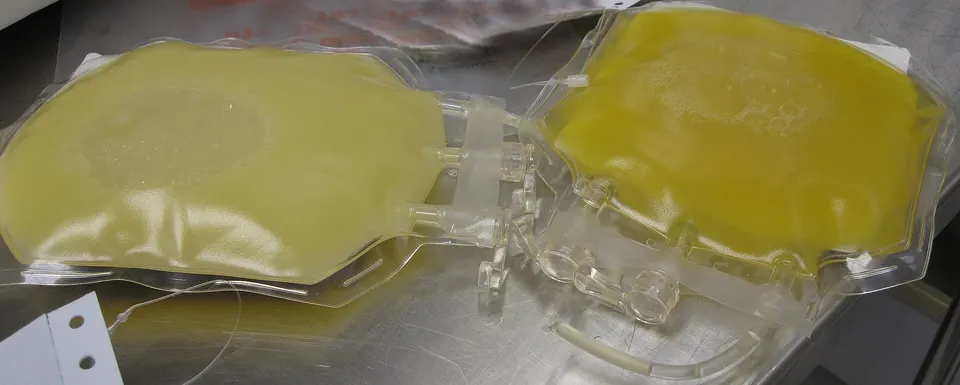
Deliver
Fat bubbles to the liver
One infusion of lipid nanoparticles carries CRISPR instructions (mRNA for the Cas9 cutter plus a guide RNA) into liver cells.
Cut
Switch off ANGPTL3
Cas9 cuts the ANGPTL3 gene, and the cell's repair usually breaks it. The liver then stops making ANGPTL3 protein.
Effect
Fats cleared faster
ANGPTL3 normally brakes the enzymes that clear fats from blood. Without it, triglycerides and LDL cholesterol fall, as in people born lacking it.
Papers & demos
- Nov 2025paperCTX310 Phase 1: CRISPR-Cas9 editing of ANGPTL3 (NEJM) (opens doi.org)One of the first in-body CRISPR trials for a common heart-risk condition.
Update log
Fri 28 Aug
- Minor: PressTest
Nov 2025
- Major: PaperResearch
About CRISPR Therapeutics
CRISPR Therapeutics
CRISPR, Casgevy, in vivo liver editing
Swiss-American gene-editing company co-founded by Nobel winner Emmanuelle Charpentier. With Vertex it made Casgevy, the first approved CRISPR medicine, for sickle cell disease and beta thalassemia. Now it edits liver genes to treat heart disease.
- Casgevy became the world's first approved CRISPR therapy (UK Nov 2023, US Dec 2023), sold with Vertex, which leads it.
- CTX310, a one-time CRISPR edit in the liver, lowered blood fats and LDL cholesterol in an early trial (NEJM, Nov 2025).
- Casgevy uptake is slow: each patient needs stem-cell collection, a factory slot and harsh chemotherapy at a special center.
- Founded
- 201313 yrs
- Headquarters
- SwitzerlandUnited States
- Status
- Public
- Listed
- CRSP (opens google.com)NASDAQ
- Valuation
- public
- Works in
- BiotechGene editing
- Coverage
- 2 programs · 7 updateslatest 28 Aug 2026checked 25 Sep