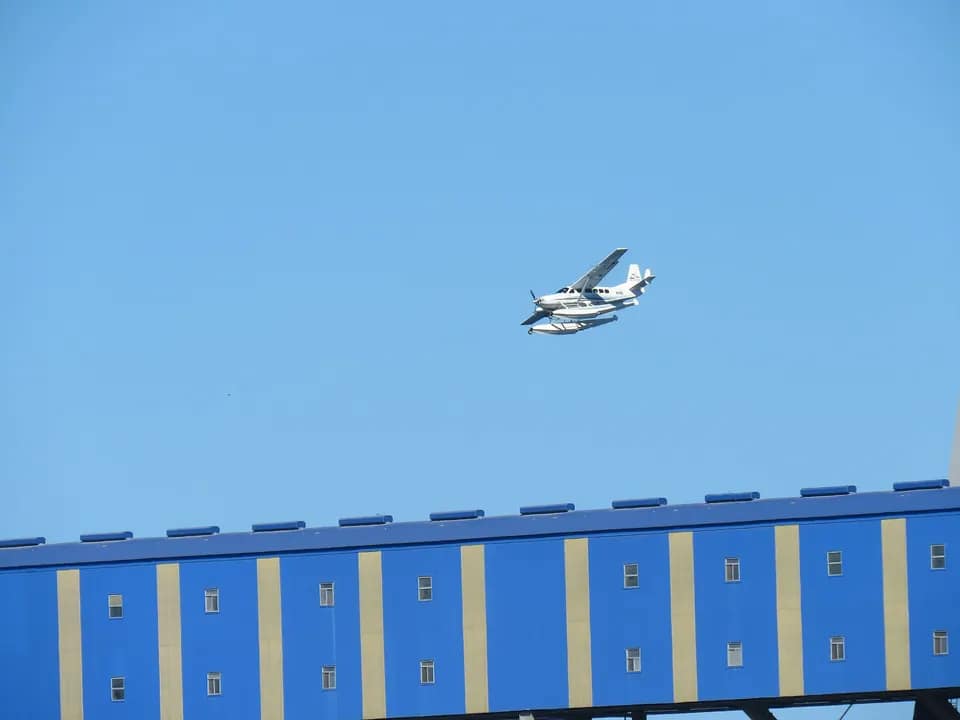
Retrofit of the Cessna 208B Grand Caravan with AMP-H570 hybrid-electric powertrain. Cuts fuel burn by 54-57% with in-flight battery charging and no ground infrastructure.
PilotStage 3 of 5
FAA G-1 certification basis approved May 2025. STCs targeted end of 2026. Customer deliveries planned 2027.
Updated Oct 2026·Checked 10 Oct·0 updates this week
Milestones
Next · Supplemental type certificates awarded
Company founded by three Caltech engineersMar 2016Complete.
Series A funding closesApr 2019Complete.
FAA G-1 certification basis approved for AMP-H57013 May 2025Complete.
Dec 2026Supplemental type certificates awardedin about 7 weeks (next)
Q1 2027First customer aircraft deliveries
Q4 2027Part 33 engine certification
Current obstacles
Integrating generation and propulsion systemsPiston engine must drive propellers and power a generator smoothly; managing transients without vibration/noise is ongoing.
Battery thermal management in hot climatesOperating in high-altitude, hot environments (typical for cargo aircraft) stresses batteries; cooling systems add weight and complexity.
Physics limits
Battery energy density caps range gainsLithium-ion stores ~250 Wh per kg; adding more battery for longer range increases weight, which the piston engine must then carry, limiting compound gains.
Hybrid efficiency depends on duty cycleMaximum fuel savings happen on missions with frequent climbs and high-power segments; steady-state cruise at constant altitude gives less benefit.
Retrofit limits airframe structural upgradesRetrofitting an existing airframe (Caravan) means the wing and fuselage are sized for the original engine; heavier new powertrains reduce useful load compared to a purpose-designed hybrid aircraft.
How it works
4 parts
Hybrid mode
Fuel engine runs continuously, electric assist at takeoff
Piston engine powers a generator and propeller; electric motors assist on takeoff, then charge during cruise.
Efficiency
Electric assist replaces oversized engine
Hybrid mode lets the base engine run closer to its sweet spot; electric power fills peaks instead of oversizing.
Battery
Recharged in flight by the fuel engine
Piston engine generator tops up the battery during cruise and descent; no ground charging infrastructure needed.
No novel components
Standard materials and proven technologies
AMP-H570 uses off-the-shelf motors, commercial batteries and conventional piston-engine architecture.
Spec sheet
Spec
Eco Caravan
Fuel burn reduction vs. stock Caravan
54-57%R (reported)
Base aircraft
Cessna 208B Grand CaravanR (reported)
Typical payload
~1000 kg with standard cargo configurationsE (estimated)
Seating capacity
9 passengersR (reported)
Typical endurance
4-5 hours with reservesE (estimated)
R reported by the company · E our estimate
Papers & demos
1 item
18 Nov 2022demo
Eco Caravan first flight with fully integrated hybrid-electric AMP-H570First flight of fully integrated hybrid-electric propulsion in Cessna Grand Caravan.
Ampaire develops hybrid-electric propulsion systems for aircraft, reducing fuel burn and emissions. The company's flagship Eco Caravan retrofit of the Cessna Grand Caravan uses an innovative onboard battery recharging system that cuts fuel consumption by 54-57% with no ground infrastructure needed.
Founded in 2016 by Caltech engineers; operates the world's largest fleet of hybrid-electric aircraft.
Closed $19M Series B in August 2026 with Alaska Airlines and International Airlines Group.
Eco Caravan: FAA certification basis approved; supplemental type certificate targeted end of 2026.