
Milestones
- FDA Breakthrough status2023Complete.
- First human test (temporary)14 May 2025Complete.
- FDA approves first trialNov 2025Complete.
- First trial implant17 Jun 2026Complete.
- First patient speaks in real timeSep 2026Complete.
- More trial patientsNowCurrent milestone.
Most important updates
- 26d ago
- 26 Aug 2026
- 17 Jun 2026
- 14 May 2025
- 3 Jul 2024
Current obstacles
- Few participantsData from one or a few people can't show how well it works across many.
- Complex surgery and wiringA wire from skull to chest adds surgery steps and more things that can break.
Physics limits
- The brain walls off foreign objectsWithin weeks, support cells wrap anything pushed into brain tissue in scar, moving neurons away from electrode tips. On most penetrating implants, recorded signals fade over months to years.
- Heat caps the data rateImplants may warm nearby brain tissue by only about 1 °C. That fixes the power budget for amplifiers and radio, which limits how many channels can be read and sent out wirelessly.
- Decoders need lots of practice dataWith a few hundred recorded neurons, a speech decoder must learn each person's patterns from hours of attempted speech, and errors rise as the vocabulary grows.
How it works

1. Implant
Implant over speech areas
Surgeons insert the electrode piece into brain areas that control speech and hand movement.
2. Transmit
Wire to a chest unit
A wire under the skin carries signals to a chest unit that sends them wirelessly outside.
3. Decode
Brain activity to speech
AI trained on attempted speech turns brain activity into words and a synthetic voice.
Spec sheet
| Spec | Connexus BCI |
|---|---|
| Electrodes | 421 microwiresR (reported) |
| Electrode type | Penetrating, ~1.5 mm depthR (reported) |
| Data link | Wireless via chest transceiverR (reported) |
| Power | Inductive, through chest transceiverR (reported) |
| Study follow-up | 6 yearsR (reported) |
R reported by the company
Papers & demos
- Sep 2026demoReal-time speech from the first Connect-One participant (opens paradromics.com)First reported use of Connexus to communicate.
- Jun 2025demoFirst-in-human Connexus recording during epilepsy surgery (opens paradromics.com)Showed the device can be implanted and record brain cells in a human.
Update log
Mon 14 Sep
- Minor: PressTest
Wed 26 Aug
- Minor: PressRegulatory
Wed 17 Jun
- Major: PressTest
Wed 14 May 2025
- Major: PressTest
Wed 3 Jul 2024
- Minor: PressCommercial
About Paradromics
Paradromics
Connexus brain implant, restoring speech
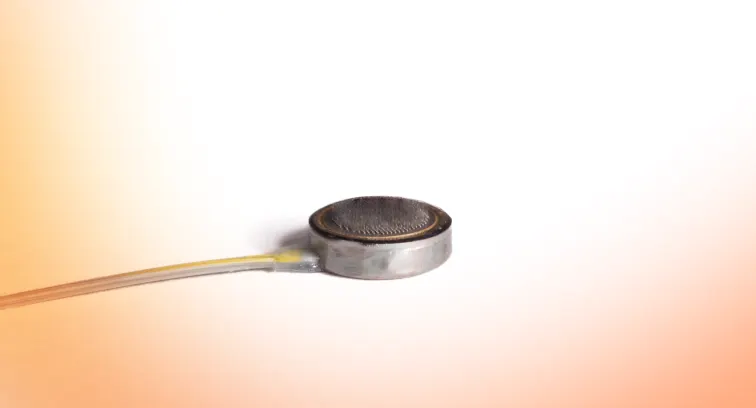
Austin company building Connexus, a high-data brain implant with 421 tiny wire electrodes and a wireless unit in the chest, first to give a voice back to people who can't speak. Its FDA-approved first trial began in Jun 2026.
- First human test in May 2025: Connexus was placed for about 10 minutes during epilepsy surgery and recorded brain activity.
- First trial patient implanted 17 Jun 2026; in Sep 2026 she used it to produce speech in real time.
- Founded
- 201511 yrs
- Headquarters
- United States
- Status
- Private
- Valuation
- private
- Works in
- NeurotechBrain implants
- Coverage
- 1 program · 5 updateslatest 26d agochecked 25 Sep
- Partners
- University of Michigan Health
- People
- Matt AngleFounder and CEO