
The brief
- First human test in May 2025: Connexus was placed for about 10 minutes during epilepsy surgery and recorded brain activity.
- First trial patient implanted 17 Jun 2026; in Sep 2026 she used it to produce speech in real time.
Technical approach
Tiny wires into the brain
Hundreds of thin metal wires go about 1.5 mm into the brain and hear single cells firing, which carries more information than surface signals.
Small implant, chest unit
The dime-sized electrode piece sits in the skull; a wire runs to a chest unit that sends data wirelessly and is charged through the skin.
Reading attempted speech
Placed over the speech area, it records activity as the person tries to talk; AI turns that into text or a synthetic voice.
Paradromics, one program
Updated 26d ago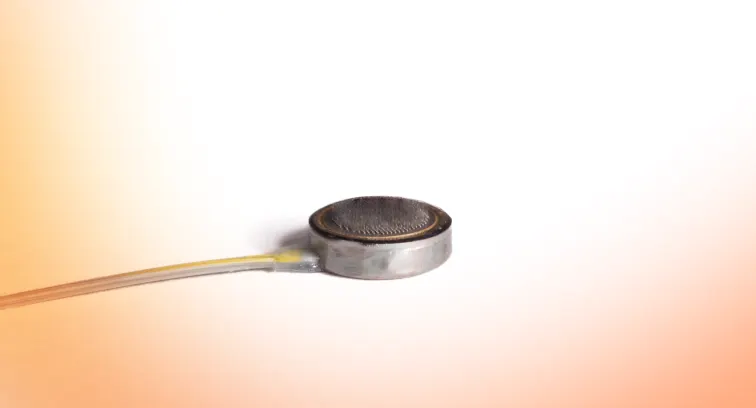
Research & demos
- Sep 2026
First reported use of Connexus to communicate.
- Jun 2025
Showed the device can be implanted and record brain cells in a human.
Open technical problems
- Recording for yearsActive research
Electrodes in the brain get scarred over and signals fade over years; long-term human data is just starting.
- Data vs. powerActive research
Streaming hundreds of channels wirelessly uses a lot of the implant's limited power.
Peers
Company & funding
- HQ
- US
- Founded
- 2015
Partners & customers
- PartnerUniversity of Michigan Health
Site of first-in-human and first Connect-One implants.
People
- Matt AngleFounder and CEO