

Milestones
- First liver candidatesMay 2025Complete.
- Prototype makes old human liver cells younger in the lab2026Complete.
- Pre-trial studies and manufacturingNowCurrent milestone.
- First human trialTarget 2027Not yet reached.
Most important updates
- 10 Jul 2026
- 2 Jun 2026
- 27 Mar 2026
- 24 Nov 2025
- 30 Sep 2025
Upcoming
- 2027First human trial (next)
Current obstacles
- Safety in the bodyEven brief use could confuse liver cells or cause tumors; long animal studies are needed.
- From lab to patient benefitCells that look younger must lead to real, measurable health gains in patients.
Physics limits
- mRNA effects are short-livedmRNA medicines work for days. If the youthful state fades as gene marks drift back, doses must be repeated, and each dose of fat bubbles can trigger inflammation.
- Fat-bubble carriers mostly land in the liverLipid nanoparticles pick up a blood protein (ApoE) that steers them into liver cells. That makes the liver the easy first target; other organs are much harder to reach.
- 'Younger' is measured indirectlyCell age is read from patterns of gene activity. Whether shifting those patterns makes people live longer or healthier can only be seen over years.
How it works
Find
Screen combos
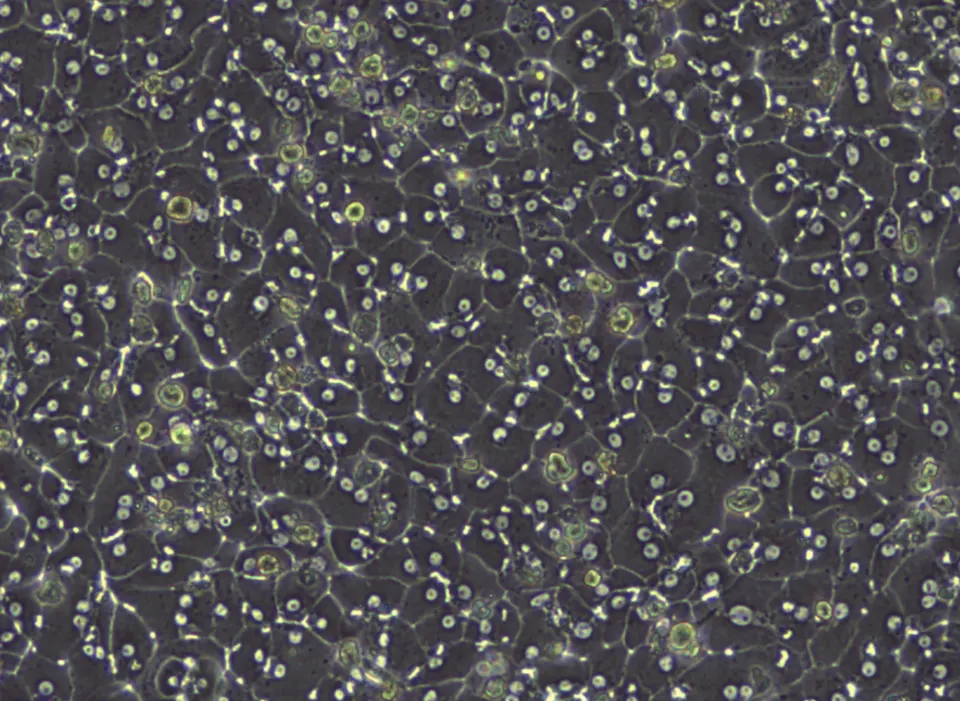
Big screens in old human liver cells find gene-switch combos that shift them toward a young state.
Refine
Narrow and check
AI narrows thousands of options; the best are tested on real liver function and damage resistance.
Deliver
Brief mRNA dose to the liver
The chosen switches are delivered as mRNA in fat bubbles, work briefly, then clear.
Papers & demos
- 2025blogNewLimit progress updates on hepatocyte reprogramming payloads (opens blog.newlimit.com)Company updates on screen size and results in old liver cells.
Update log
Fri 10 Jul
- Minor: BlogManufacturing
Tue 2 Jun
- Major: BlogFunding
Fri 27 Mar
- Major: BlogManufacturing
Mon 24 Nov 2025
- Minor: BlogResearch
Tue 30 Sep 2025
- Minor: BlogManufacturing
Fri 14 Mar 2025
- Minor: BlogResearch
About NewLimit
NewLimit
Reprogramming, liver, AI screening
San Francisco company co-founded in 2021 by Coinbase CEO Brian Armstrong and Blake Byers, with scientists Jacob Kimmel and Greg Johnson. It uses big lab screens and AI to find gene switches that make old cells work like young ones. First target: the liver.
- Raised $435M led by Founders Fund at a $3.1B valuation in Jun 2026, about triple its 2025 value.
- Says its prototype made old human liver cells look younger on four measures, after testing over 3,000 gene-switch combinations.
- Plans a first human trial of its liver treatment; timing is a company target.
- Founded
- 20215 yrs
- Headquarters
- United States
- Status
- Private
- Valuation
- $3.1BprivateJun 2026
- Raised
- $610M3 rounds
- Last round
- Series C · $435MJun 2026$3.1B post
- Coverage
- 2 programs · 12 updateslatest 10 Jul 2026checked 25 Sep
- Lead investors
- Founders FundKleiner Perkins
- People
- Brian Armstrong (opens en.wikipedia.org)Co-founderBlake ByersCo-founderJacob KimmelCo-founder and head of research