

Milestones
- Picked for an FDA pilot program (rare brain disease)DoneComplete.
- ALS trial: main goal not metJan 2025Complete.
- FDA Breakthrough status for rare brain disease23 Jun 2026Complete.
- Finish rare-disease trialNowCurrent milestone.
Most important updates
- 23 Jun 2026
- 12 Nov 2025
- 23 Sep 2025
- 6 Jan 2025
- 23 Oct 2024
Upcoming
- Nov 2027Vanishing white matter study (NCT05757141) primary completion, per trial registryin about 55 weeks (next)
Current obstacles
- One alarm, many diseasesThe stuck alarm shows up in many diseases, but so far it only looks helpful in one rare genetic disorder.
Physics limits
- The alarm exists for a reasonThe stress response pauses protein making to protect cells during infection or protein misfolding. Overriding it everywhere could leave cells exposed, so doses must balance benefit and protection.
- It has to get into the brainThe target cells sit behind the blood-brain barrier, which keeps out most drugs. Keeping steady brain levels for years limits which molecules and doses can work.
- Lost myelin doesn't simply regrowRestoring protein making can halt damage, but white matter already destroyed repairs slowly or not at all, so benefit depends on treating early.
How it works
Alarm
Stressed cells stop making proteins
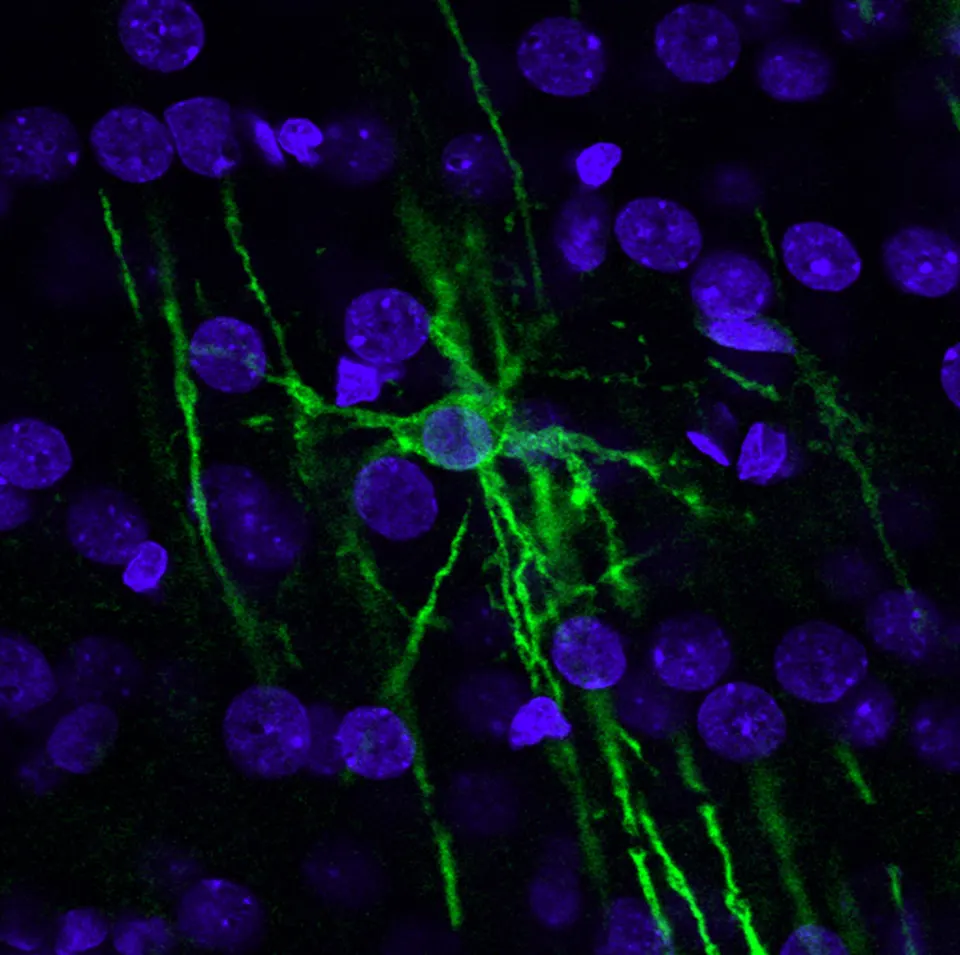
When cells sense trouble, the integrated stress response switches off the protein-making starter eIF2B. Stuck on, it starves cells of new proteins.
Drug
Hold the starter switch on
Fosigotifator binds eIF2B and keeps it working even while the alarm sounds, so protein making resumes.
Target
Brain white matter first
In vanishing white matter disease, faulty eIF2B genes keep the alarm on in brain support cells, which then lose the myelin coating nerves.
Update log
Tue 23 Jun
- Minor: PressRegulatory
Wed 12 Nov 2025
- Major: PressPartnership
Tue 23 Sep 2025
- Minor: RegulatorTest
Mon 6 Jan 2025
- Minor: PressTest
Wed 23 Oct 2024
- Minor: RegulatorTest
Mon 13 Mar 2023
- Minor: RegulatorTest
Mar 2023
- Minor: PressTest
Wed 22 Sep 2021
- Minor: RegulatorTest
About Calico
Calico
Aging biology, stress-pathway drug, AbbVie
Alphabet-backed aging research company founded in 2013 and led by ex-Genentech CEO Art Levinson. It studies aging in animals from yeast to naked mole-rats; its lead drug, fosigotifator, calms a cell stress alarm. AbbVie ended their joint R&D deal in Nov 2025.
- Fosigotifator failed in an ALS trial (Jan 2025) but won FDA Breakthrough status for a rare brain disease in Jun 2026.
- AbbVie ended the joint R&D partnership, begun in 2014 and extended in 2021, in Nov 2025 after investing about $1.75B.
- Founded
- 201313 yrs
- Headquarters
- United States
- Status
- Subsidiaryof Alphabet
- Valuation
- Alphabet-owned
- Works in
- LongevityAnti-aging drugs
- Coverage
- 1 program · 10 updateslatest 23 Jun 2026checked 25 Sep
- Partners
- AbbVie (opens abbvie.com)
- People
- Arthur Levinson (opens en.wikipedia.org)Founder and CEO