

Milestones
- Vision restored in mice (Nature)Dec 2020Complete.
- Monkey data for optic-nerve stroke2023Complete.
- FDA trial approval28 Jan 2026Complete.
- First person dosed9 Jun 2026Complete.
- Trial fully enrolled (up to 18)NowCurrent milestone.
- First safety and vision dataNot yet reached.
Most important updates
- 2d ago
- 9 Jun 2026
- 8 Apr 2026
- 26 Aug 2025
- 21 Oct 2024
Upcoming
- May 2027ER-100 Phase 1 (NCT07290244) primary completion, per trial registryin about 29 weeks (next)
Current obstacles
- Eye inflammationEye gene therapies can cause inflammation, which could limit the dose.
- Hard to see benefit in a small trialVision changes in a few patients are noisy; this first trial is built to test safety, not whether it works.
Physics limits
- The eye is the easy organThe eye is small, sealed and shielded from much of the immune system, so a tiny dose reaches its target. Most other organs need far larger doses and provoke stronger immune reactions.
- Dead nerve cells can't be resetReprogramming can revive damaged but living optic-nerve cells. Cells already lost in advanced glaucoma or after an optic-nerve stroke cannot be brought back.
- Viral carriers are one-shot and smallAAV, the harmless virus used as a carrier, holds only about 4.7 kilobases of DNA. The immune system then makes antibodies to its shell, so a second dose usually fails, and many people already carry such antibodies.
How it works
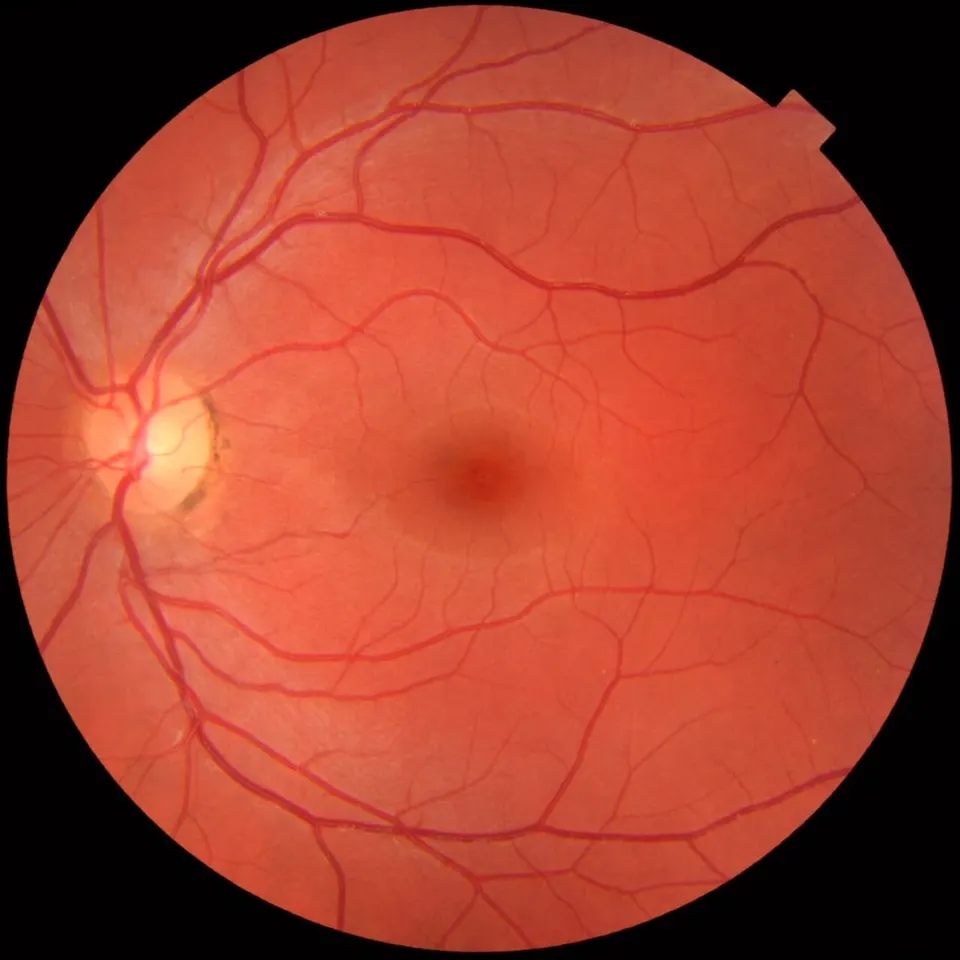
1. Inject
Inject genes into the eye
A harmless virus carrying the three genes and an on-off switch is injected into one eye.
2. Induce
Switch on with an antibiotic
The patient takes doxycycline pills for eight weeks, which switches the genes on.
3. Reset
Make the cells young
The genes partly reset optic nerve cells to a young state; in animals this helped nerves regrow and improved vision.
Spec sheet
| Spec | ER-100 |
|---|---|
| Factors | OCT4, SOX2, KLF4 (no MYC)R (reported) |
| Route | Intravitreal injection, one eyeR (reported) |
| Control | Oral doxycycline inductionR (reported) |
| Induction period | 8 weeksR (reported) |
| Planned enrollment | Up to 18 (12 OAG, 6 NAION)R (reported) |
| Trial sites | 4R (reported) |
R reported by the company
Papers & demos
- Dec 2020paperReprogramming to recover youthful epigenetic information and restore vision (Nature) (opens nature.com)Lu, Sinclair et al. showed three Yamanaka factors restored vision in old and glaucoma mice.
Update log
Thu 8 Oct
- Major: PressTest
Tue 9 Jun
- Major: PressTest
Wed 8 Apr
- Major: PressFunding
Tue 26 Aug 2025
- Minor: PressResearch
Mon 21 Oct 2024
- Minor: PressResearch
Mon 8 May 2023
- Minor: PressManufacturing
Dec 2020
- Minor: PaperResearch
About Life Biosciences
Life Biosciences
Reprogramming, ER-100, eye disease
Boston company co-founded by David Sinclair. In Jun 2026 it gave the first person ever a partial reprogramming therapy: ER-100, an eye injection of three Yamanaka factors, for glaucoma and a sudden optic-nerve stroke (NAION).
- ER-100's first trial plans up to 18 people (12 glaucoma, 6 NAION) at four sites.
- The eye is a good first target: small, reachable by injection, sheltered from the immune system, and easy to test.
lifebiosciences.com (opens lifebiosciences.com)Company profile →
- Founded
- 20179 yrs
- Headquarters
- United States
- Status
- Private
- Valuation
- private
- Works in
- LongevityCellular reprogramming
- Coverage
- 1 program · 8 updateslatest 2d agochecked 25 Sep
- People
- David Sinclair (opens en.wikipedia.org)Co-founderJerry McLaughlinCEO