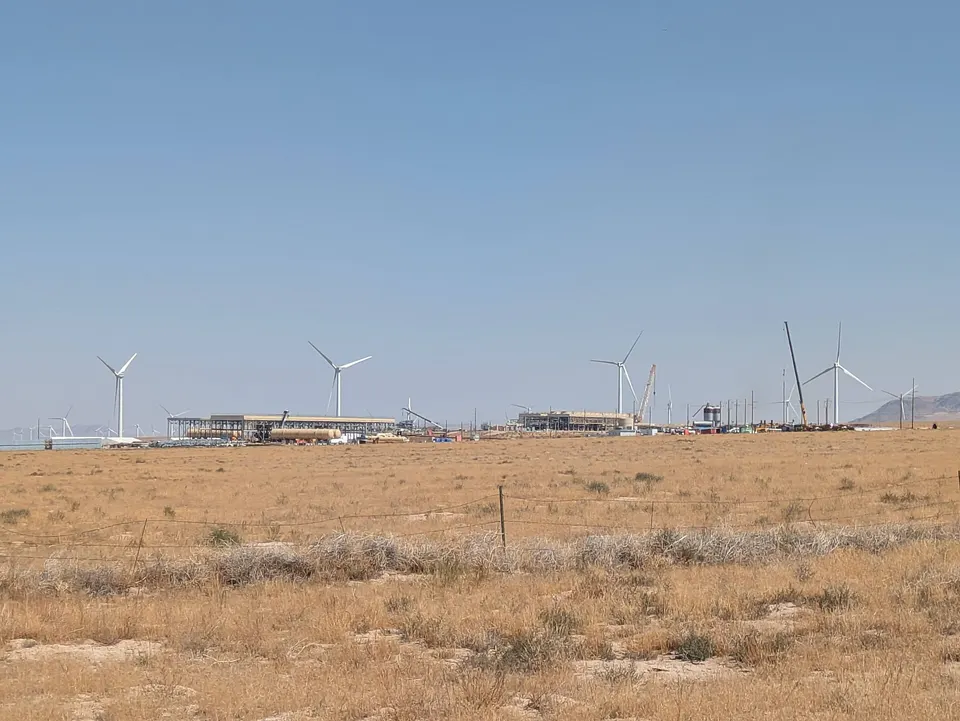

Milestones
- Drilling begins at Cape StationJun 2023Complete.
- SCE contracts 320 MW of Cape outputJun 2024Complete.
- Record flow test at CapeSep 2024Complete.
- First power from Phase I24 Sep 2026Complete.
- First 33 MW GeoBlock in commercial operationTarget 1 Oct 2026Current milestone.
- Rest of Phase I (~100 MW) in commercial operationTarget 1 Jan 2027Not yet reached.
- Full 500 MW build-outTarget 2028Not yet reached.
Most important updates
- 16d ago
- 8 Jul 2026
- 19 Mar 2026
- 10 Jun 2025
- Jun 2024
Upcoming
- 1 Oct 2026First 33 MW GeoBlock in commercial operation (next)
- 1 Jan 2027Rest of Phase I (~100 MW) in commercial operation
- 2028Full 500 MW build-out
- 2028Cape Station expansion toward 500 MW
Current obstacles
- Scaling from one pair to dozens of wellsWell pairs can interfere and water can flow unevenly, cutting output per well as the field grows.
- Rock cooling over the plant's lifeOperators must pace injection so the rock doesn't cool faster than planned.
Physics limits
- Rock conducts heat slowlyGranite conducts only about 3 W per metre per kelvin, so heat seeps back into rock cooled around the fractures very slowly; each well pair can mine only so much heat before it cools.
- Low-temperature heat converts poorlyAt ~200 °C even a perfect engine could turn only ~37% of heat into power; real binary plants manage roughly 10–15%, so huge water flows are needed per megawatt.
- Hotter rock means deeper, harder drillingRock warms about 25–30 °C per km in typical crust. Reaching hotter rock means deeper wells, where heat and hard rock wear out bits and downhole electronics faster.
How it works
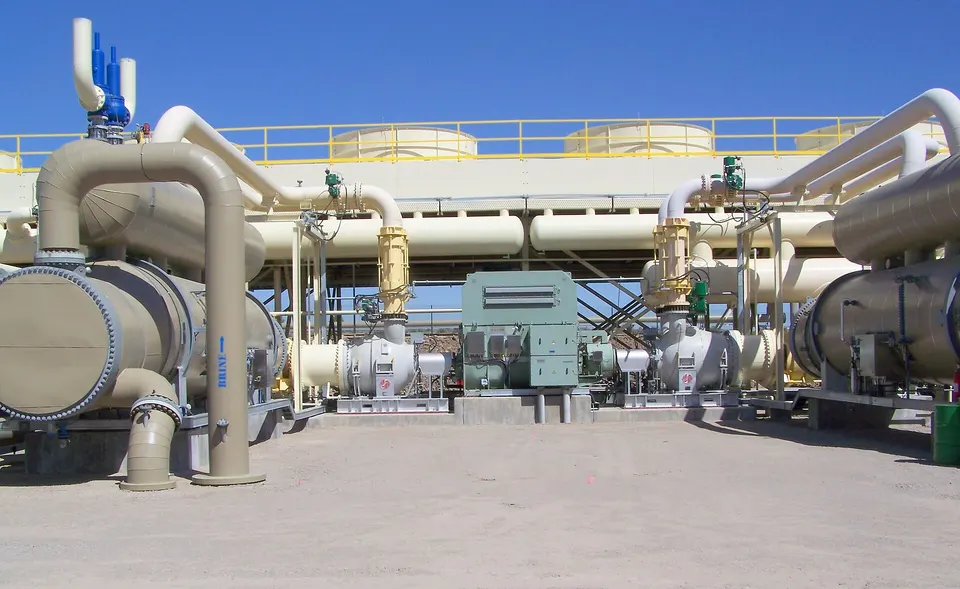
Wells
Well pairs
Many sideways well pairs run through hot rock; cracks link each injection well to its production well.
Heat
Rock heats the water
Water picks up heat from the crack surfaces as it flows from one well to the other.
Power
Binary turbines
Hot water heats a second fluid that boils easily and spins turbines; the cooled water goes back down.
Spec sheet
| Spec | Cape Station |
|---|---|
| Phase I capacity | ~100 MWR (reported) |
| Planned site capacity | 500 MWR (reported) |
| Phase I power blocks | 3 x ~33 MWR (reported) |
| SCE offtake | 320 MWR (reported) |
| Power cycle | Binary (organic Rankine)R (reported) |
R reported by the company
Papers & demos
- Sep 2024blogCape Station flow test results (opens fervoenergy.com)Showed higher flows and faster drilling at the commercial site, backing cost-cutting claims.
Update log
Thu 24 Sep
- Major: PressCommercial
Wed 8 Jul
- Minor: PressTest
Thu 19 Mar
- Major: PressFunding
Wed 11 Jun 2025
- Minor: PressFunding
Tue 10 Jun 2025
- Major: PressTest
Tue 15 Apr 2025
- Minor: PressCommercial
Sep 2024
- Minor: PressTest
Jun 2024
- Major: PressCommercial
Mon 12 Feb 2024
- Minor: PressTest
About Fervo Energy
Fervo Energy
Enhanced geothermal, horizontal drilling, Cape Station
Uses oil-and-gas drilling methods to create geothermal reservoirs in hot, dry rock. Its Cape Station in Utah reached first power in September 2026, the first utility-scale enhanced geothermal plant to do so. Listed on Nasdaq in May 2026.
- Cape Station made first power on 24 Sept 2026; ~100 MW Phase I aims for commercial operation from 1 Oct 2026.
- Project Red in Nevada proved the idea in 2023, sending ~3.5 MW to the grid.
- Went public on Nasdaq in May 2026; buyers include Southern California Edison and Google.
- Founded
- 20179 yrs
- Headquarters
- United States
- Status
- Public
- Listed
- FRVO (opens google.com)NASDAQ
- Valuation
- public
- Works in
- EnergyGeothermal
- Coverage
- 2 programs · 12 updateslatest 16d agochecked 25 Sep
- Investors
- Devon Energy (opens devonenergy.com)Breakthrough Energy Ventures (opens breakthroughenergy.org)
- People
- Tim Latimer (opens fervoenergy.com)Co-founder & CEOJack Norbeck (opens fervoenergy.com)Co-founder & CTO