
The brief
- Makes ChatGPT and the GPT-5.x models. GPT-5.6 came out in July 2026.
- Raised $122B at an $852B valuation in March 2026. Amazon, NVIDIA and SoftBank were the biggest investors.
- Lining up tens of gigawatts of computing power through Stargate and chip deals with NVIDIA, AMD and others.
Technical approach
Bigger is better
OpenAI's core bet: language models get predictably smarter with more size, data and compute. Its 2020 paper measured this.
Learning from human feedback
People rate answers and the model learns to prefer the good ones. This turned GPT-3.5 into ChatGPT.
Thinking before answering
Since o1 (2024), models are trained to reason step by step first. More thinking time gives better answers.
Routers and agents
GPT-5 sends easy questions to a fast model and hard ones to a reasoning model. Codex adds tools to finish tasks.
OpenAI, four programs
Updated 9 Jul 2026

Research & demos
- Sep 2025paperWhy Language Models Hallucinate
Argued models make things up because training and tests reward confident guessing.
- Sep 2024
Introduced o1: answers got better with more training and more thinking time.
- Mar 2023
Showed a big multimodal model's progress could be predicted, and that it passed hard exams.
- Mar 2022
Set the recipe for turning a raw model into a helpful assistant using human ratings.
- Jan 2020paperScaling Laws for Neural Language Models
Showed models improve smoothly and predictably with more size, data and compute. This started the scaling era.
Open technical problems
- Making things upActive research
Models still state false facts confidently. OpenAI argues tests reward guessing over saying "I don't know".
- Compute, power and costOpen
Each new generation needs far more compute. Power, chips and money now limit progress as much as ideas.
- Watching autonomous agentsActive research
As agents run longer tasks alone, spotting cheating or misuse gets harder. OpenAI studies reading the model's reasoning.
Peers
Company & funding
- Valuation
- $852Bprivate
- Raised
- $179Bdisclosed private rounds
- Last round
- Venture roundMar 2026
- HQ
- US
- Founded
- 2015
Post-money valuation, log scale
| Date | Round | Amount | Post-money | Lead |
|---|---|---|---|---|
| Mar 2026 | Venture round | $122B | $852B | Amazon, NVIDIA, SoftBank |
| Oct 2025 | Employee secondary sale | $6.6B | $500B | — |
| Mar 2025 | Venture round | $40B | $300B | SoftBank |
| Oct 2024 | Venture round | $6.6B | $157B | Thrive Capital |
| Jan 2023 | Microsoft multi-year investment | $10B | — | Microsoft |
Partners & customers
- InvestorMicrosoft
Largest early backer; holds roughly 27% of OpenAI Group PBC after the October 2025 recapitalisation.
- InvestorSoftBank
Led the 2025 $40B round and is a Stargate partner.
- InvestorAmazon
Committed $50B in the March 2026 round; also an AWS compute supplier.
- SupplierOracle
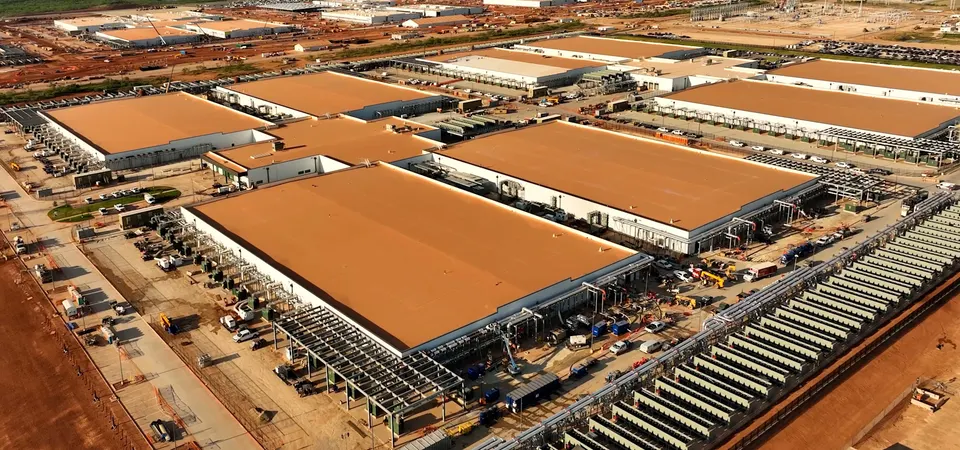
Builds and operates Stargate data centers, starting with Abilene, Texas.
- Supplier
Letter of intent (Sep 2025) to deploy at least 10 GW of NVIDIA systems.
- Supplier
6 GW Instinct GPU agreement (Oct 2025); first 1 GW of MI450 from H2 2026.
- PartnerBroadcom
Co-developing custom OpenAI accelerators, 10 GW announced Oct 2025.
- Supplier
GPU cloud contracts worth over $20B.
- Supplier
Multi-year deal (Jan 2026) for wafer-scale inference capacity.
People
- Sam AltmanCEO and co-founder
- Greg BrockmanPresident and co-founder
- Jakub PachockiChief Scientist