
Milestones
- Lab-made elephant stem cellsMar 2024Complete.
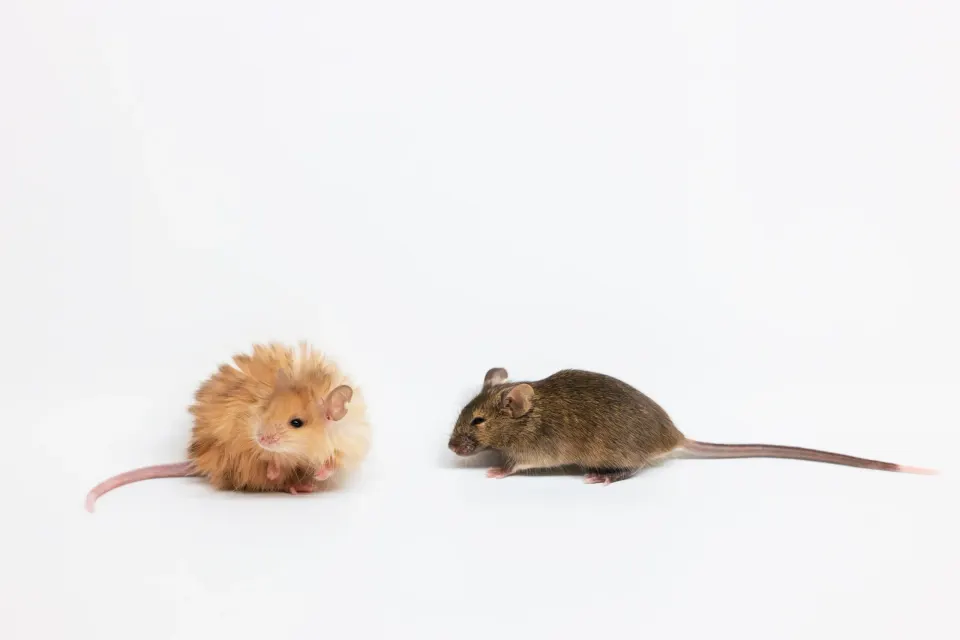
- Woolly mice with mammoth-like hairMar 2025Complete.
- Edited elephant embryos and a pregnancyNowCurrent milestone.
- First mammoth-trait elephant calfTarget 2028Not yet reached.
Most important updates
- Mar 2025
- 12 Jul 2022
Upcoming
- 2028First mammoth-trait elephant calf (next)
Current obstacles
- Who carries the baby?Using endangered elephants as surrogates is ethically fraught; artificial wombs for big animals don't exist.
- So many edits at onceMaking dozens of precise edits in one cell without damaging its DNA is at the edge of what's possible.
Physics limits
- Ancient DNA breaks down with timeDNA decays even when frozen: bone studies give a half-life of about 521 years for its chemical bonds. Mammoth genomes survive only as short fragments that must be pieced together.
- Only a few differences can be edited inMammoth and Asian elephant genomes differ at over a million letters. Editing dozens of chosen genes gives an elephant with mammoth traits, not a mammoth.
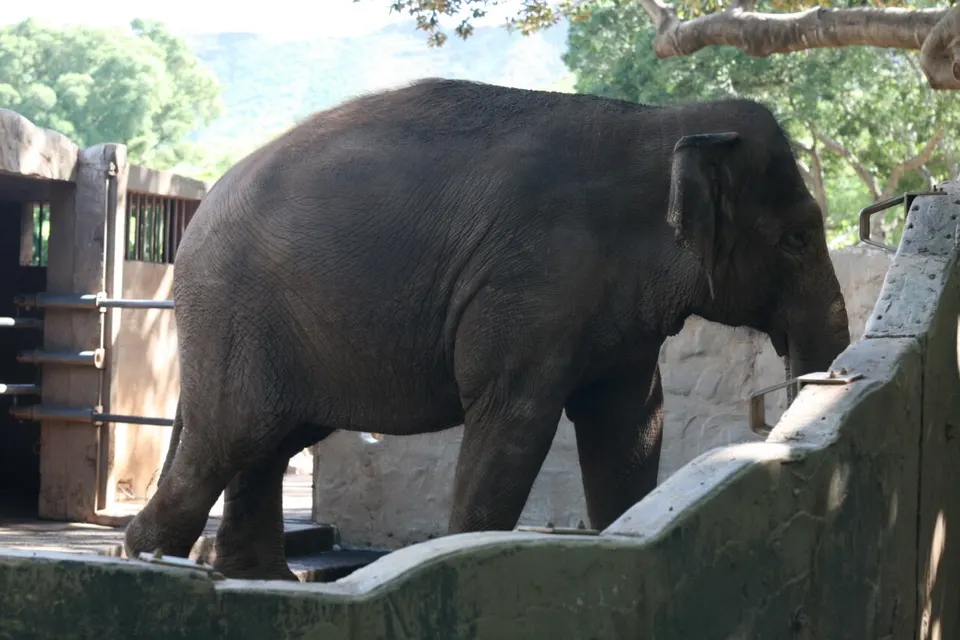
- Elephant pregnancies are slowAn elephant pregnancy lasts about 22 months, and elephants mature in over a decade. Each attempt takes years, and there are few surrogate mothers.
How it works
Compare
Compare mammoth and elephant
Compare mammoth DNA from frozen remains with Asian elephant DNA to find genes for hair, fat and feeling cold.
Test
Try it in mice first
Make matching edits in mice to check they give the expected traits.
Build
Edit elephant cells
Make dozens of edits in elephant cells, then create embryos by cloning.
Spec sheet
| Spec | Woolly mammoth |
|---|---|
| Elephant gestation | ~22 monthsR (reported) |
| Target first calf | 2028R (reported) |
R reported by the company
Papers & demos
- Mar 2025paperMultiplex-edited mice recapitulate woolly mammoth hair phenotypes (preprint) (opens doi.org)Many edits at once to hair and fat genes gave mice long, woolly coats.
Update log
Mar 2025
- Minor: PressResearch
Tue 12 Jul 2022
- Minor: PressResearch
About Colossal Biosciences
Colossal Biosciences
De-extinction, dire wolf, woolly mammoth
Dallas company co-founded by Ben Lamm and George Church that edits living animals to carry traits of extinct ones: mammoth, thylacine, dodo, moa. In 2025 it announced wolf pups edited with dire wolf traits and 'woolly mice'.
- Apr 2025: announced three pups cloned from gray wolf cells with 20 edits in 14 genes chosen from ancient dire wolf DNA.
- Many scientists, including the IUCN wolf and dog experts, say they are modified gray wolves, not dire wolves.
- Reported in Jul 2026 to be raising at a $20–30B valuation, up from $10.2B in Jan 2025.
- Founded
- 20215 yrs
- Headquarters
- United States
- Status
- Private
- Valuation
- $10BprivateJan 2025
- Raised
- $350M2 rounds
- Last round
- Series C · $200MJan 2025$10B post
- Works in
- BiotechDe-extinction
- Coverage
- 2 programs · 7 updateslatest 1 Jul 2026checked 25 Sep
- Lead investors
- TWG GlobalUS Innovative Technology Fund
- Investors
- TWG Global
- People
- Ben Lamm (opens en.wikipedia.org)Co-founder and CEOGeorge Church (opens en.wikipedia.org)Co-founderBeth Shapiro (opens en.wikipedia.org)Chief Science Officer