

Milestones
- First in-body CRISPR data in humans (NEJM)Jun 2021Complete.
- Phase 3 in heart patients startsDoneComplete.
- Dosing paused after severe liver injury; FDA hold29 Oct 2025Complete.
- Hold lifted on nerve-disease trial27 Jan 2026Complete.
- Hold lifted on heart-disease trial2 Mar 2026Complete.
- Finish enrolling and following the Phase 3NowCurrent milestone.
Most important updates
- 6 Aug 2026
- 2 Mar 2026
- 27 Jan 2026
- 29 Oct 2025
- 26 Jun 2021
Current obstacles
- Liver harm in frail heart patientsThe hold followed severe liver injury in a heart patient; trials now exclude people with some liver problems or very weak hearts.
Physics limits
- Fat-bubble delivery mostly reaches the liverIn the blood, lipid nanoparticles pick up a protein (ApoE) that liver cells absorb. That makes the liver easy to edit, but most other organs (brain, muscle, lungs) remain hard to reach with enough dose.
- Edits in the body are permanent and can't be recalledOnce liver cells are edited, the change lasts for life and is copied as cells renew. Any off-target cut or unexpected long-term effect can't be undone, so safety must be proven over years.
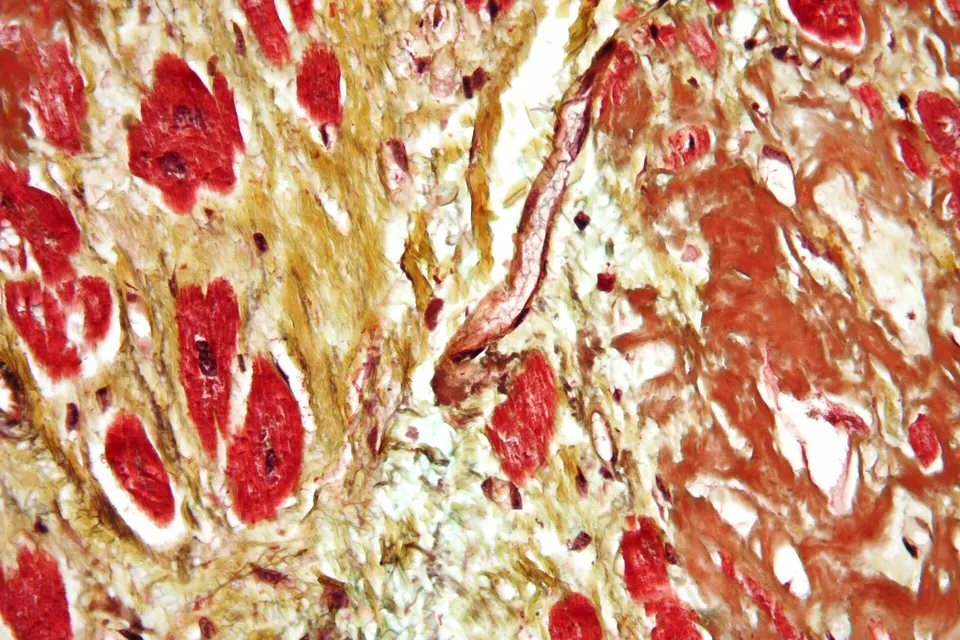
- Removing new protein doesn't clear old depositsStopping TTR production halts new amyloid, but fibres already in the heart clear slowly, if at all. Damage done before treatment may stay, so benefit shows over years.
How it works
Deliver
One infusion to the liver
Lipid nanoparticles carry Cas9 mRNA and a guide RNA into liver cells, which make almost all of the body's TTR protein.
Cut
Knock out the TTR gene
Cas9 cuts TTR and the repair disrupts it, cutting TTR levels in blood by about 90% in early trials.
Effect
Less misfolded protein
TTR that misfolds builds up as fibres (amyloid) in heart and nerves. Making far less TTR aims to halt the build-up for good.
Papers & demos
- Jun 2021paperCRISPR-Cas9 in vivo gene editing for transthyretin amyloidosis (NEJM) (opens doi.org)First proof CRISPR can edit a gene inside the human body: the target protein fell 87% on average.
Update log
Thu 6 Aug
- Minor: PressTest
Mon 2 Mar
- Minor: FilingRegulatory
Tue 27 Jan
- Minor: FilingRegulatory
Wed 29 Oct 2025
- Major: FilingRegulatory
Sat 26 Jun 2021
- Major: PaperResearch
About Intellia Therapeutics
Intellia Therapeutics
In-body CRISPR, lonvo-z, nex-z
Company co-founded by Jennifer Doudna that pioneered CRISPR inside the body. One drip carries the editor to the liver to switch off a disease gene for good. Lonvo-z, for hereditary angioedema, passed Phase 3; its ATTR drug resumed after a 2025 safety hold.
- Phase 3 (Apr 2026): lonvo-z cut swelling attacks 87% vs placebo; 62% had none. Filing with the FDA for a 2027 launch.
- Oct 2025: a patient had severe liver injury and later died; the FDA paused nex-z trials. They restarted in 2026 with more liver checks.
- In Jan 2025 Intellia dropped outside-the-body editing and cut staff to focus on its two liver drugs.
- Founded
- 201412 yrs
- Headquarters
- United States
- Status
- Public
- Listed
- NTLA (opens google.com)NASDAQ
- Valuation
- public
- Works in
- BiotechGene editing
- Coverage
- 2 programs · 11 updateslatest 8 Sep 2026checked 25 Sep
- Partners
- Regeneron (opens regeneron.com)
- People
- John Leonard (opens intelliatx.com)CEOJennifer Doudna (opens en.wikipedia.org)Co-founder