
Milestones
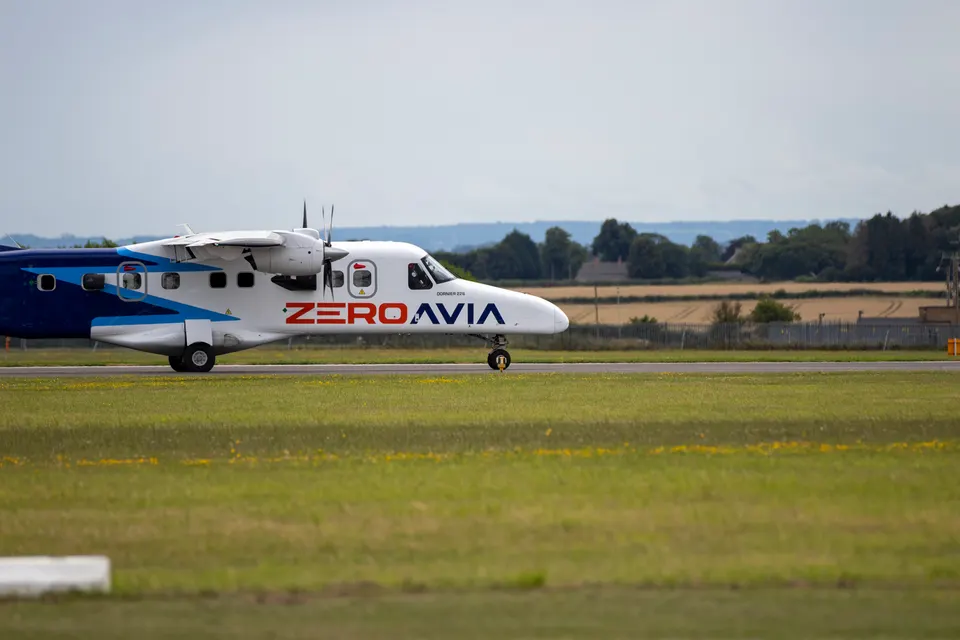
- Hydrogen-electric Dornier 228 first flight19 Jan 2023Complete.
- FAA special rules for its 600 kW electric engine2025Complete.
- Fuel-cell system certificationTarget 2027Not yet reached.
- ZA600 certificationTarget 2030+60 mo
originally 2025Not yet reached.
Most important updates
- 3 Sep 2025
- 20 Aug 2025
- 14 May 2025
- 14 Aug 2024
- 19 Jan 2023
Upcoming
- 2027Fuel-cell system certification (next)
- 2030ZA600 certification+60 mo
originally 2025
Current obstacles
- Storing and supplying hydrogenHydrogen takes lots of space even compressed, and airports can't make or refuel it yet.
Physics limits
- Hydrogen gas takes over ten times the space of jet fuelCompressed to 350 bar, hydrogen holds under 1 kWh per litre versus nearly 10 for kerosene, and the strong tanks weigh many times the fuel they hold. Tanks crowd out cabin or cargo space.
- Fuel cells waste half their energy as low-grade heatAviation fuel cells run around 50% efficient at about 80°C. That warm, not hot, waste heat is hard to dump, so they need large radiators that add weight and drag.
How it works
Store
Hydrogen gas in high-pressure tanks
Hydrogen is carried as a compressed gas in strong tanks, since it is far too light to store compactly any other simple way.
Convert
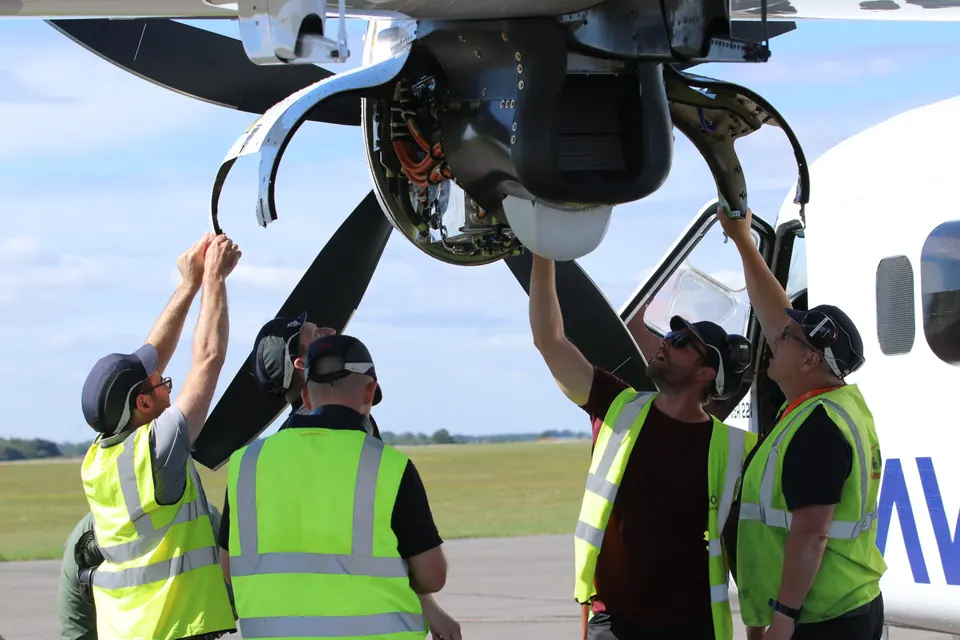
Fuel cells turn hydrogen into electricity
In the fuel cell, hydrogen and oxygen from the air combine through a membrane, making electricity, heat and water, with no burning.
Drive
An electric motor turns the propeller
The electricity feeds a 600 kW motor on the propeller; a small battery helps with peak power at take-off.
Update log
Wed 3 Sep 2025
- Minor: BlogTest
Wed 20 Aug 2025
- Minor: BlogRegulatory
Wed 14 May 2025
- Minor: BlogCommercial
Wed 14 Aug 2024
- Minor: BlogTest
Wed 19 Jul 2023
- Minor: BlogTest
Thu 19 Jan 2023
- Major: PressTest
About ZeroAvia
ZeroAvia
Hydrogen-electric engines for small airliners
ZeroAvia builds hydrogen-electric engines: fuel cells turn hydrogen into electricity for electric motors. First for 9–19 seat planes, later 40–80 seats. It cut back in 2026 after funding trouble and its founder-CEO leaving.
- Flew a 19-seat Dornier 228 test plane with one engine swapped for a hydrogen-electric one in 2023.
- Founder-CEO Val Miftakhov left in May 2026 after layoffs; timelines slipped to 2028–2030.
- The FAA published special rules for its 600 kW electric engine.
- Founded
- 20179 yrs
- Headquarters
- United KingdomUnited States
- Status
- Private
- Valuation
- private
- Coverage
- 1 program · 7 updateslatest 26 May 2026checked 25 Sep