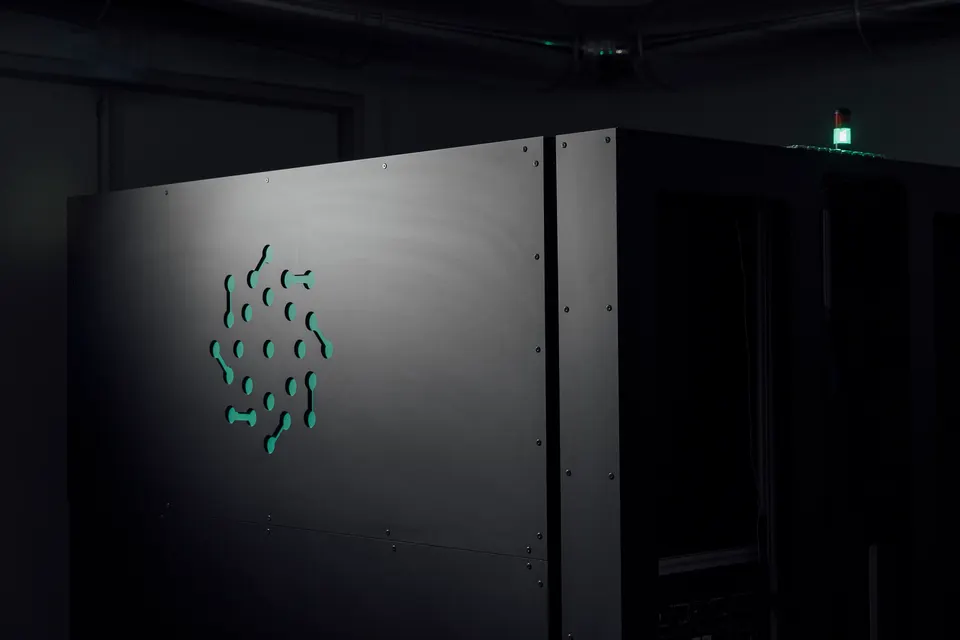

Milestones
- Aramco 200-qubit system agreementMay 2024Complete.
- More than 1,000 atoms trappedJun 2024Complete.
- HPCQS systems at GENCI and Jülich2025Complete.
Most important updates
- 16d ago
- 30d ago
- 28 Aug 2026
- Jun 2024
Upcoming
- 2027XPRIZE Quantum Applications final results (Pasqal is a finalist) (next)
Current obstacles
- Analog to digital transitionAnalog mode is easier but less flexible. Accurate digital gates across large grids are still in development.
Physics limits
- Array size is set by laser powerEvery atom needs its own tweezer of laser light. Arrays grow only as fast as stable, low-noise laser power and the optics' field of view, so 10,000-atom arrays need much bigger lasers.
- Atoms stay trapped only secondsA stray gas molecule eventually knocks each atom out, typically within seconds to tens of seconds. The more atoms, the sooner one is lost, shrinking the usable time of the whole array.
- Analog runs can't be error-correctedIn analog mode the system evolves continuously, with no discrete steps to check for errors, so noise accumulates over the run.
How it works
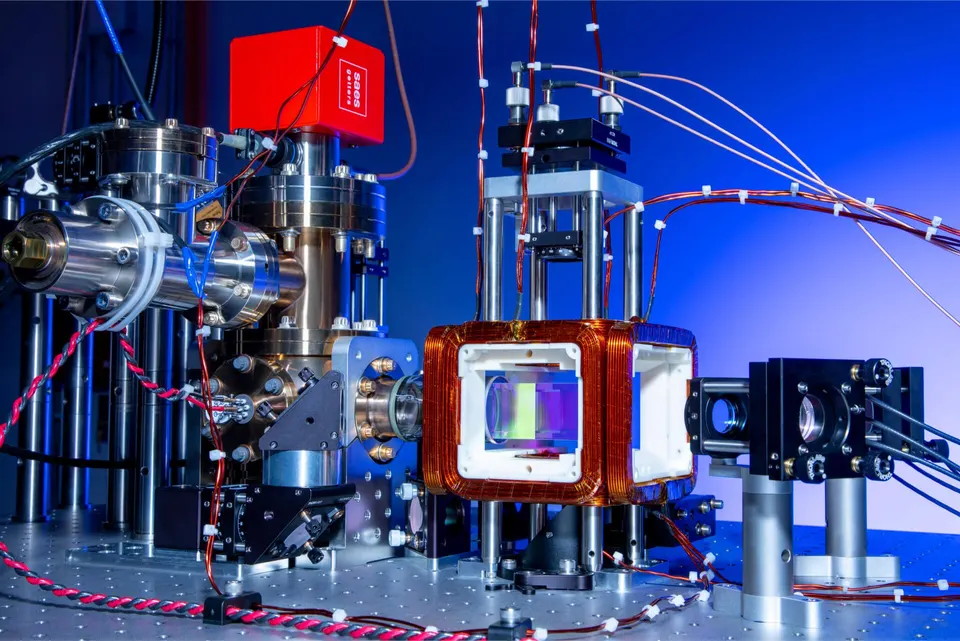
Atoms
Rubidium in laser tweezers
Holographic optics create arrays of laser tweezers, each holding one rubidium atom, arranged in 2D or 3D patterns.
Analog
Atoms as a model magnet
Exciting atoms to Rydberg states makes neighbours interact, so the array evolves like a model material; this is used for simulation and graph problems.
Digital
Toward gates and logical qubits
The same hardware can apply gate sequences; Pasqal is moving its roadmap toward digital, error-corrected operation.
Update log
Thu 24 Sep
- Minor: PressResearch
Thu 10 Sep
- Minor: PressPartnership
Fri 28 Aug
- Major: PressFunding
Jun 2024
- Minor: PressResearch
About Pasqal
Pasqal
Neutral-atom computers, analog and digital
French neutral-atom quantum company spun out of Institut d'Optique, co-founded by Nobel laureate Alain Aspect. It holds rubidium atoms with laser tweezers and has delivered systems to European supercomputing centers.
- Trapped more than 1,000 atoms in a single array in 2024.
- Delivering systems to GENCI in France and Jülich in Germany under the EuroHPC HPCQS project.
- Agreed with Aramco in 2024 to deploy a 200-qubit system in Saudi Arabia.
- Founded
- 20197 yrs
- Headquarters
- France
- Status
- Private
- Valuation
- private
- Raised
- $108M1 round
- Last round
- Series B · $108MJan 2023
- Works in
- QuantumNeutral atom
- Coverage
- 1 program · 5 updateslatest 16d agochecked 25 Sep
- Lead investors
- Temasek
- People
- Georges-Olivier ReymondCo-founderAlain Aspect (opens en.wikipedia.org)Co-founder