
Milestones
- Ultrasound interface ready for humansNowCurrent milestone.
Current obstacles
- The skullBone blocks and blurs ultrasound, so sharp images usually need a 'window' where skull is replaced.
Physics limits
- Bone blocks and blurs ultrasoundThe skull absorbs and scatters high-frequency sound. Detailed ultrasound images of human brain activity have so far needed a skull opening or an acoustically clear window.
- It measures blood, not neuronsBlood-flow signals follow neural firing by one to two seconds and blend many neurons together, so fast or single-cell activity is invisible.
- Sharper images reach less deepHigher sound frequencies give finer detail, near 0.1 mm, but are absorbed faster, so resolution and depth must be traded against each other.
How it works
Ping
Thousands of sound frames a second
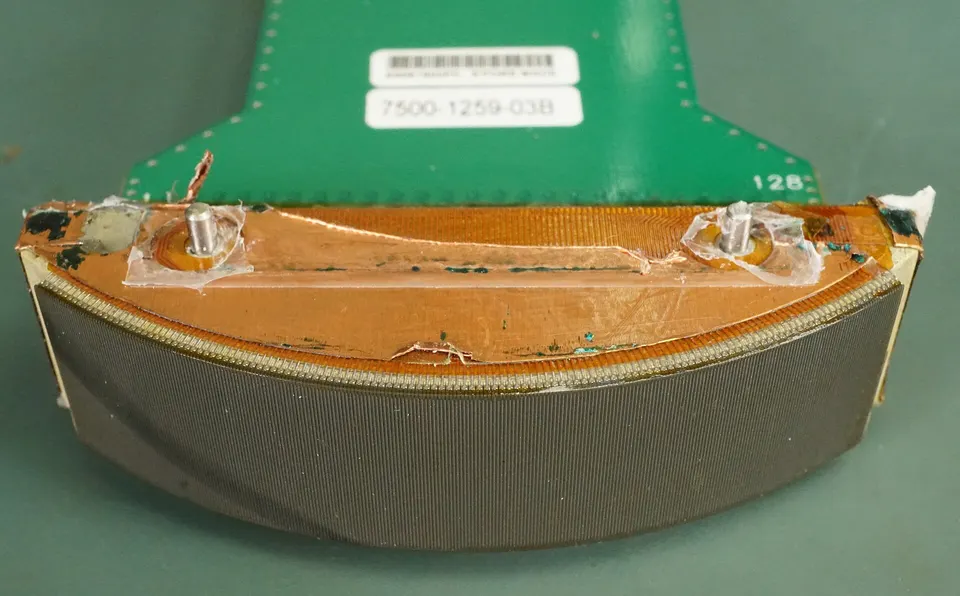
An ultrasound probe sends rapid pulses into the brain and records the echoes.
Detect
Moving blood reveals activity
Echoes from moving red blood cells show tiny blood-flow changes; busy brain areas draw more blood a second or two after they fire.
Act
Stimulate and measure
Focused ultrasound can also nudge a circuit's activity, so the same platform can intervene and then measure how the brain responded.
About Arbor Neuroscience (formerly Forest Neurotech)
Arbor Neuroscience (formerly Forest Neurotech)
Ultrasound brain interfaces, nonprofit FRO
Nonprofit research group formed in 2023 as Forest Neurotech and now named Arbor Neuroscience, part of Convergent Research. It uses its ultrasound platform to stimulate and measure brain circuits, and spun out Merge Labs in 2026.
arborneuroscience.org (opens arborneuroscience.org)Company profile →
- Founded
- 20233 yrs
- Headquarters
- United States
- Status
- Private
- Valuation
- private
- Works in
- NeurotechNon-invasive
- Coverage
- 1 program · 1 updatelatest 15 Jan 2026checked 25 Sep
- Partners
- Merge Labs
- People
- Tyson AflaloCo-founderSumner NormanCo-founder