
Milestones
- Apex 2 in Poland wins national investment award27 Mar 2026Complete.
- Scale cathode productionNowCurrent milestone.
Most important updates
- 27 Mar 2026
Current obstacles
- Chemistry mismatchOld batteries' chemistry lags what sells now (e.g. more LFP), so recycled output must match what cell makers want.
Physics limits
- Impurities ride alongWithout full metal separation, traces of iron, aluminium and copper can carry into the product, while cathodes tolerate only parts-per-million levels.
- Lithium comes out last and leastLithium stays dissolved after the other metals precipitate and must be recovered from dilute solution, where losses are hardest to avoid.
How it works
Leach
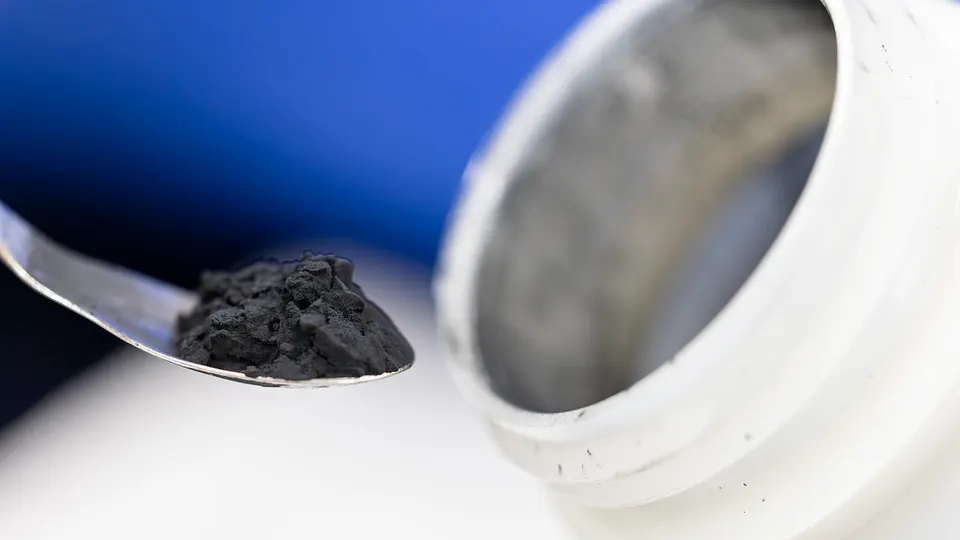
Dissolve the black mass
Shredded battery powder is dissolved in acid, putting lithium, nickel, manganese and cobalt into solution.
Adjust
Tune the recipe, skip separation
Instead of isolating each metal, the process measures the solution and tops up nickel, manganese or cobalt to hit the ratio a cathode needs.
Precipitate
Straight to new precursor
The metals are precipitated together as cathode precursor, then mixed with lithium and fired into new cathode material.
Update log
Fri 27 Mar
- Minor: PressOther
About Ascend Elements
Ascend Elements
Hydro-to-Cathode battery recycling
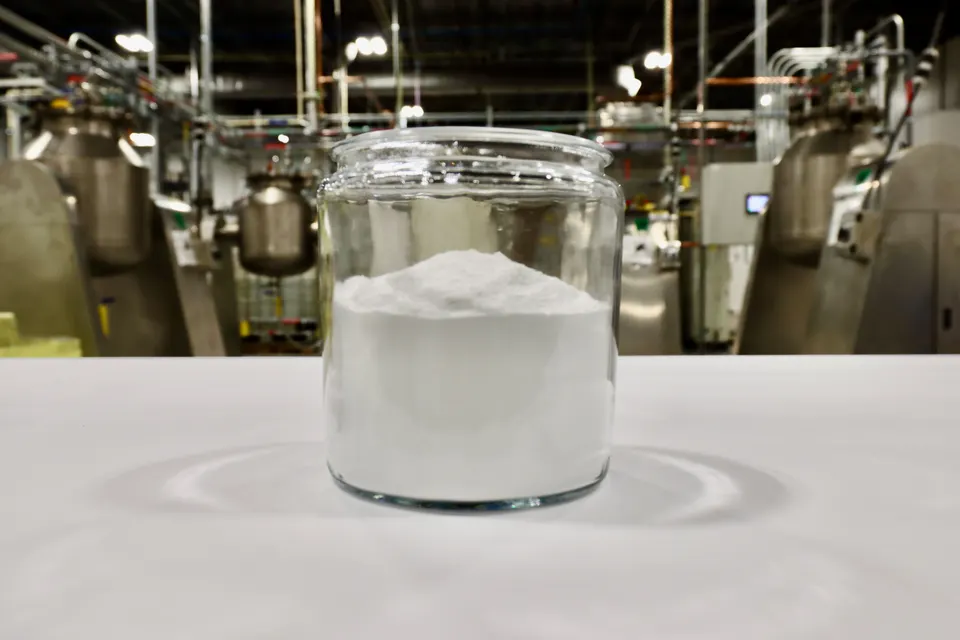
Ascend Elements (Massachusetts) recycles lithium-ion batteries with its Hydro-to-Cathode process, which turns shredded batteries (black mass) straight into new cathode material, skipping separate refining of each metal.
- Hydro-to-Cathode turns recovered metals into new cathode material in fewer steps.
- Its Apex 2 project in Poland was named Manufacturing Investment of the Year by Poland's investment agency (March 2026).
- US recycling has been hurt by low metal prices and slower EV growth.
ascendelements.com (opens ascendelements.com)Company profile →
- Founded
- 201511 yrs
- Headquarters
- United States
- Status
- Private
- Valuation
- private
- Works in
- MaterialsBattery recycling
- Coverage
- 1 program · 1 updatelatest 27 Mar 2026checked 25 Sep