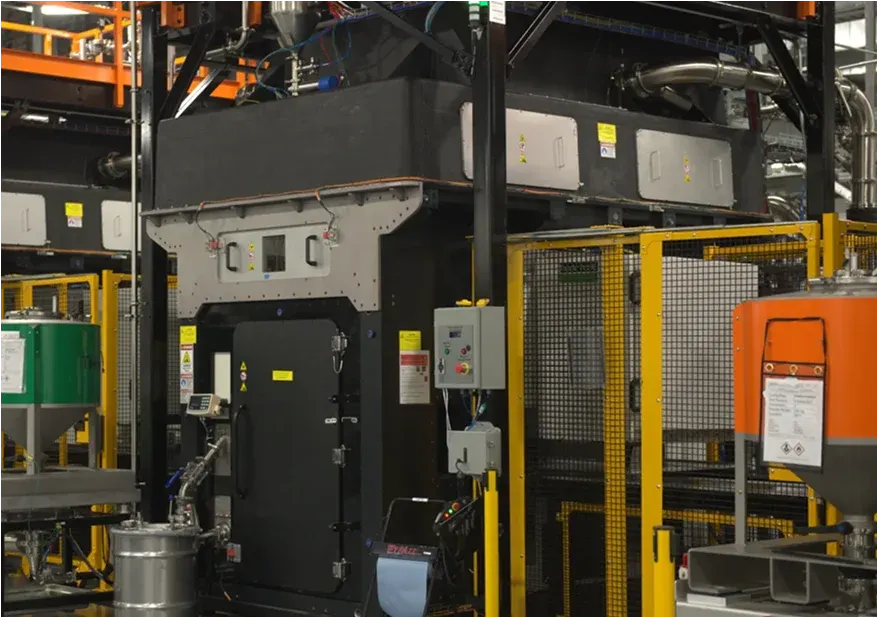

Milestones
- Production of aerospace test parts, including a 2 kN thruster2025Complete.
- Scale production capacityNowCurrent milestone.
Most important updates
- Sep 2026
- 25 Jun 2026
- 30 Jan 2026
Current obstacles
- Cost versus old methodsEven when fast, printed metal must beat casting and machining on total cost, part by part.
Physics limits
- More laser power means more heat to controlAdding laser power heats the part and surrounding powder, changing how each new layer melts. Keeping melting consistent at high power is the core process challenge.
- Fast cooling locks stress into printed metalEach tiny melt pool cools at up to a million degrees per second. The metal shrinks unevenly and traps stress that warps parts and can crack them, so parts need heat treatment and careful layouts.
- Hidden pores weaken partsUnmelted powder and trapped gas leave small voids inside a part. Cracks start at them under repeated loading, so printed parts show wider fatigue scatter and need scanning or testing to qualify.
How it works
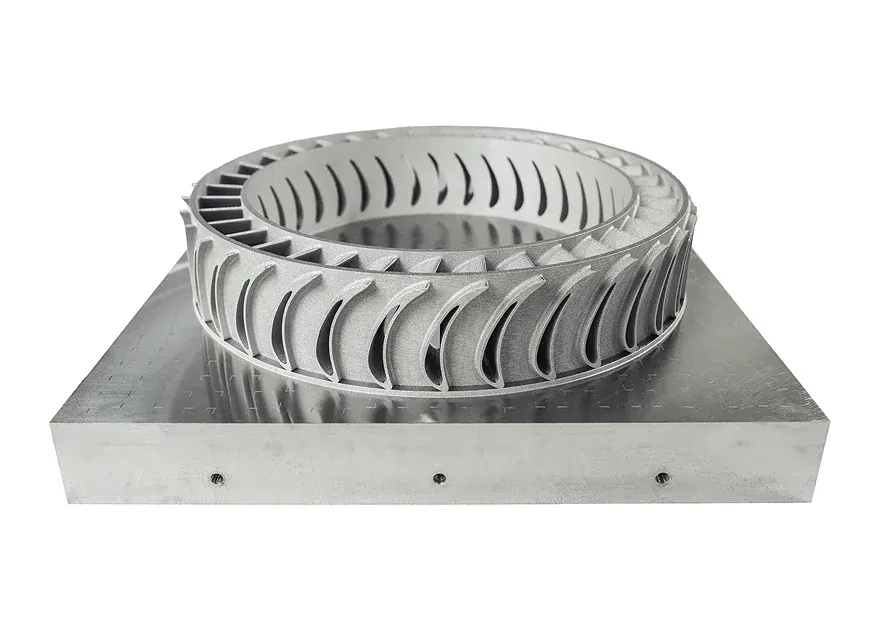
Print
Laser array on a powder bed
An array of powerful lasers melts metal powder layer by layer, with far more total laser power than a typical metal printer.
Finish
One digital production line
Printing, heat treatment, CNC machining and inspection are linked by software, so parts leave finished rather than as rough prints.
Model
Runs its own plants
VulcanForms makes parts in its own Massachusetts factories rather than selling printers.
Update log
Sep 2026
- Minor: PressPartnership
Thu 25 Jun
- Major: PressManufacturing
Fri 30 Jan
- Major: PressFunding
About VulcanForms
VulcanForms
Many-laser metal printing plants, US production
VulcanForms, an MIT spinout co-founded by John Hart and Martin Feldmann, runs factories built around its own powerful many-laser metal printer, plus machining and finishing. It raised $220M in early 2026.
- Its printer uses an array of lasers with far more total power than typical metal printers, for factory-scale output.
- Sells finished parts to medical, aerospace and defense customers, not machines.
- Raised $220M Series D (Jan 2026) led by Eclipse and 1789 Capital.
- Founded
- 201511 yrs
- Headquarters
- United States
- Status
- Private
- Valuation
- private
- Raised
- $220M1 round
- Last round
- Series D · $220MJan 2026
- Works in
- ManufacturingMetal 3D printing
- Coverage
- 1 program · 4 updateslatest 1 Sep 2026checked 25 Sep
- Lead investors
- Eclipse1789 Capital
- Investors
- Eclipse (opens eclipse.capital)
- People
- John Hart (opens vulcanforms.com)Co-founderMartin FeldmannCo-founder