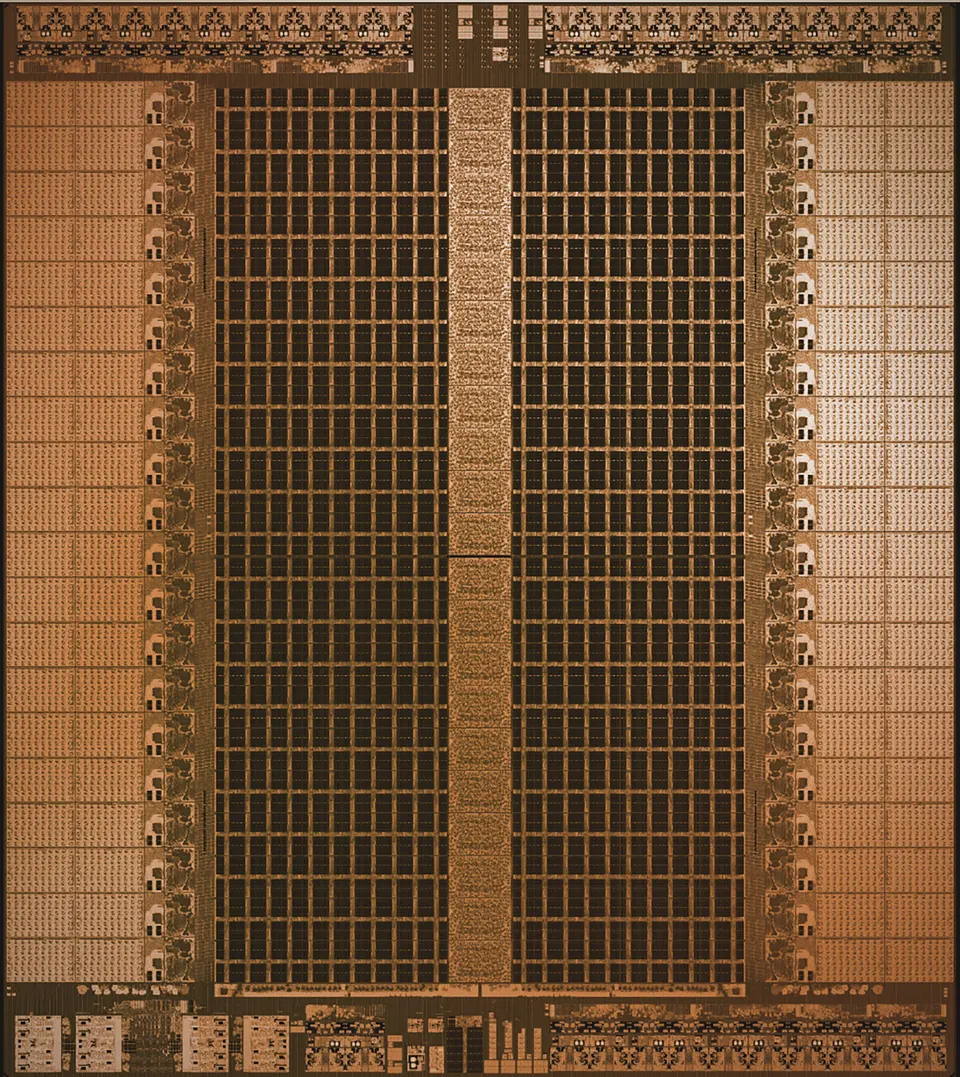

Milestones
- First GroqChip2020Complete.
- GroqCloud public LLM demos go viral for speedFeb 2024Complete.
- Saudi Arabia data center in DammamDec 2024Complete.
- NVIDIA licensing agreement24 Dec 2025Complete.
Most important updates
- 24 Dec 2025
- Sep 2025
- Jul 2025
- Feb 2025
- Aug 2024
Current obstacles
- Chip count for large modelsEach chip holds little memory, so big models need hundreds of chips, raising cost.
Physics limits
- Very little memory per chipAbout 230 MB per chip means a 70-billion-parameter model needs hundreds of chips. SRAM density is barely improving on new nodes, so this doesn't fix itself with the next process.
- Static schedules need predictable workPlanning every step at compile time works only when the computation is known in advance. Variable-length inputs and branching leave scheduled capacity idle.
- Every hop between chips adds delaySpreading a model over hundreds of chips means each token crosses many links, and each hop adds latency and energy. That caps the speed advantage for the very largest models.
How it works
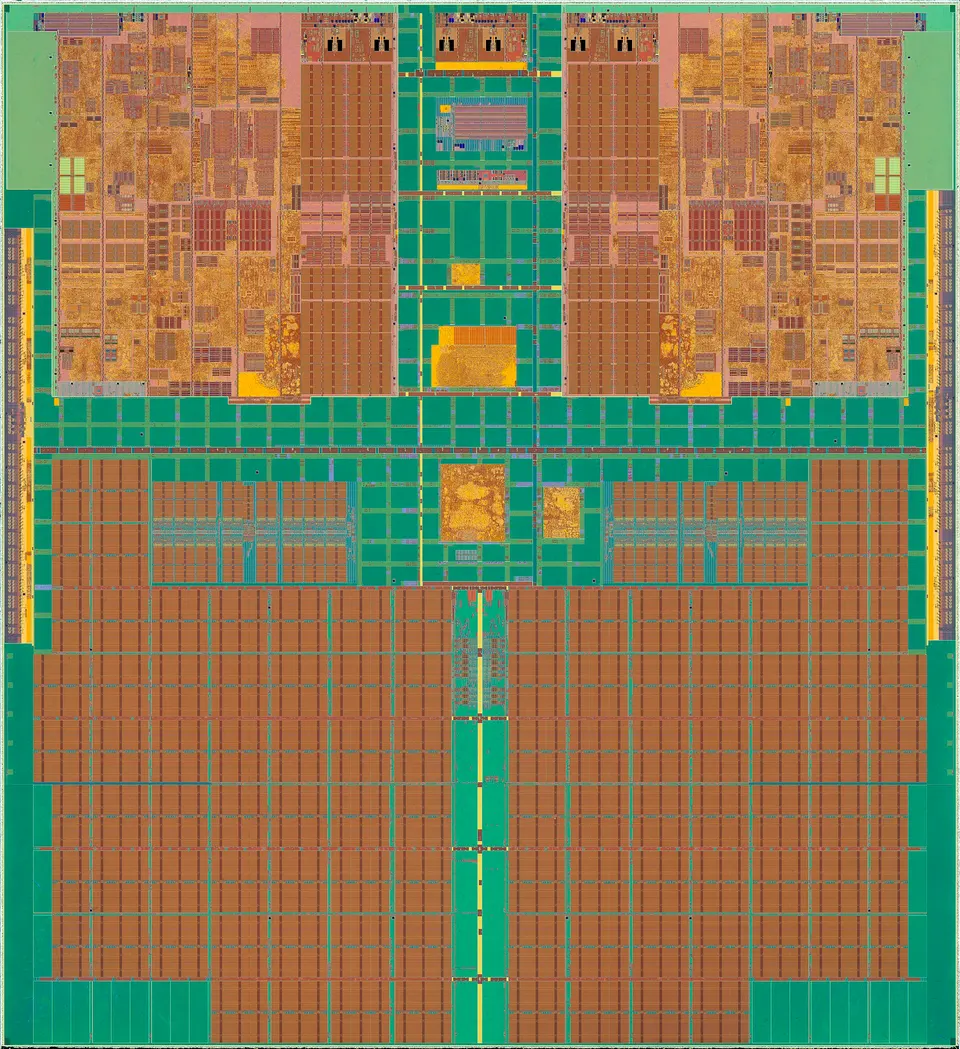
Memory
SRAM only
Each chip holds about 230 MB of on-chip SRAM and no external memory, so reading weights is very fast, but big models span hundreds of chips.
Compiler
Everything planned in advance
The compiler schedules every calculation and data move to the clock cycle, so there are no caches or waiting at run time.
Network
Chips as one assembly line
Chips pass data directly to each other on a fixed schedule, acting like one long pipeline for each token.
Update log
Wed 24 Dec 2025
- Major: BlogPartnership
Sep 2025
- Minor: PressFunding
Jul 2025
- Minor: BlogCommercial
Feb 2025
- Major: BlogCommercial
Aug 2024
- Minor: PressFunding
About Groq
Groq
LPU inference chips, GroqCloud
Groq, founded in 2016 by ex-Google chip engineer Jonathan Ross, designed the LPU, a chip for running AI models fast. In December 2025 NVIDIA licensed its technology and hired Ross. Groq still runs its GroqCloud service.
- NVIDIA licensed Groq's inference technology, non-exclusively, for about $20B (Dec 2025).
- Simon Edwards became CEO after Jonathan Ross joined NVIDIA.
- Runs GroqCloud data centers, including a large site in Saudi Arabia.
- Founded
- 201610 yrs
- Headquarters
- United States
- Status
- Private
- Valuation
- $6.9BprivateSep 2025
- Raised
- $1.4B2 rounds
- Last round
- Venture round · $750MSep 2025$6.9B post
- Coverage
- 1 program · 5 updateslatest 24 Dec 2025checked 25 Sep
- Lead investors
- DisruptiveBlackRock
- Customers
- Saudi Arabia (HUMAIN / Aramco Digital)
- Partners
- NVIDIA
- People
- Jonathan RossFounder (joined NVIDIA in 2025)Simon EdwardsCEO