
Milestones
- ES-30 design revealedSep 2022Complete.
- X1 test plane first flight12 Aug 2026Complete.
- Entry into serviceTarget 2031+36 mo
originally 2028Not yet reached.
Most important updates
- 12 Aug 2026
- 30 Apr 2025
- 12 Sep 2024
- 15 May 2024
- 1 Feb 2024
Upcoming
- 2031Entry into service+36 mo
originally 2028(next)
Current obstacles
- Tonnes of batteriesEven a short electric range for 30 people needs several tonnes of batteries, cutting payload.
Physics limits
- Batteries hold about 40 times less energy per kilo than jet fuelThe best lithium-ion cells store roughly 0.25–0.3 kWh per kg; kerosene holds about 12 kWh per kg. Even after motors' higher efficiency, that caps range at tens of miles, and a battery weighs the same when empty.
- A 30-seat battery plane carries tonnes of cellsMoving a regional airliner needs megawatts. Even a short electric-only range means several tonnes of batteries, which lowers the passengers and bags it can carry on the same wing.
How it works
Battery
Electric motors for short hops
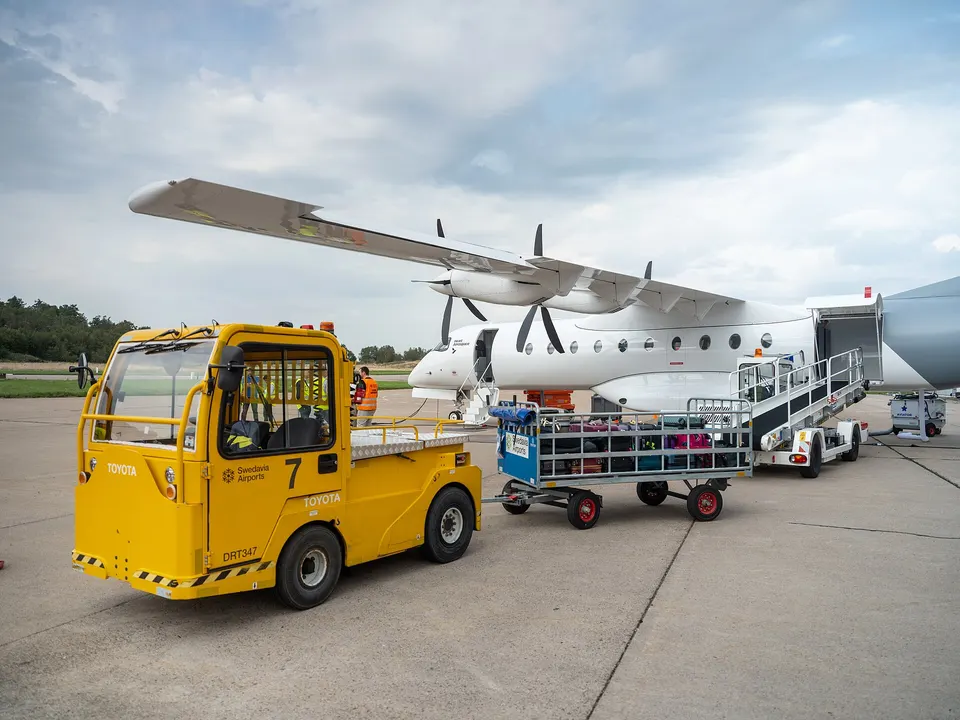
Four propellers are driven by electric motors fed from batteries, enough for about 200 km with no fuel burned.
Range
Generators for longer trips
For longer routes, fuel-burning generators (turbines) make extra electricity, stretching range to about 400 km with 30 seats.
Wing
Engines built into the wing
Nacelles are blended into the wing to help it fly slower and use shorter runways, like small regional airports.
Update log
Wed 12 Aug
- Major: PressTest
Wed 30 Apr 2025
- Major: BlogOther
Thu 12 Sep 2024
- Minor: BlogHardware
Wed 15 May 2024
- Minor: PressHardware
Thu 1 Feb 2024
- Major: PressFunding
About Heart Aerospace
Heart Aerospace
30-seat hybrid-electric airliner
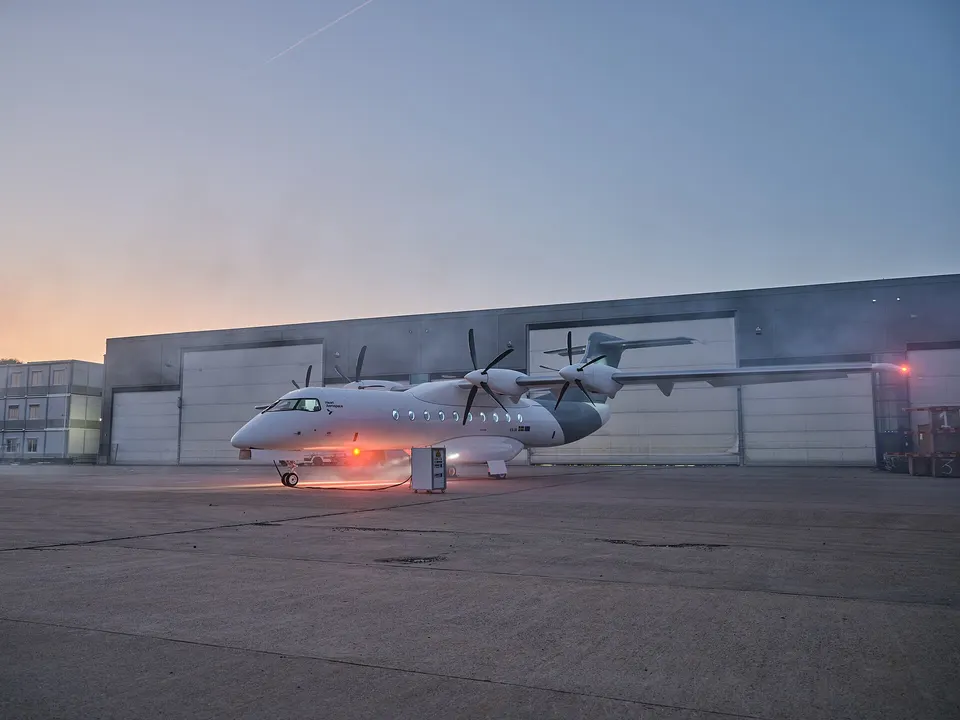
Heart Aerospace, founded in Sweden and now based in Los Angeles, is building the ES-30, a 30-seat airliner that flies on batteries on short routes, with backup fuel generators for longer ones.
- X1, a full-size ES-30 test plane, first flew on 12 Aug 2026 in Plattsburgh, New York.
- Aims for ES-30 service around 2031 under FAA airliner rules.
- United and Air Canada are early customers and investors.
heartaerospace.com (opens heartaerospace.com)Company profile →
- Founded
- 20188 yrs
- Headquarters
- United StatesSweden
- Status
- Private
- Valuation
- private
- Works in
- AviationElectric & hydrogen planes
- Coverage
- 1 program · 5 updateslatest 12 Aug 2026checked 25 Sep
- People
- Anders ForslundCo-founder and CEO