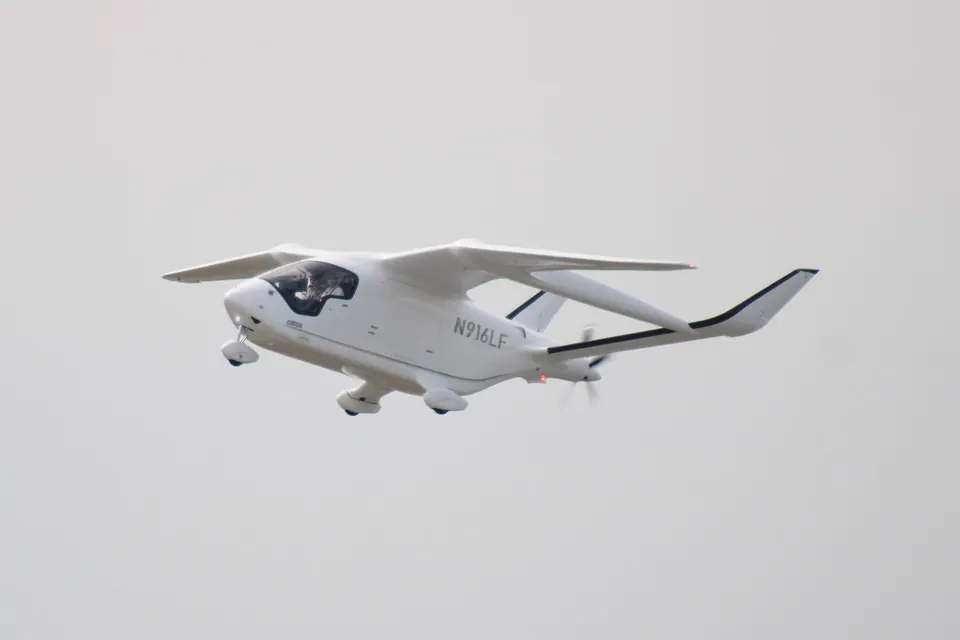

Milestones
- ALIA flies passengers into JFK airportJun 2025Complete.
- FAA approval (Part 23)Target Q1 2027Current milestone.
Most important updates
- 19 Mar 2026
- 20 Oct 2025
- 3 Jun 2025
- 24 May 2025
- 14 Mar 2023
Upcoming
- Q1 2027FAA approval (Part 23) (next)
Current obstacles
- Batteries vs. payloadHeavy batteries limit load and range; the business depends on short routes and cheap running costs.
Physics limits
- Batteries hold about 40 times less energy per kilo than jet fuelThe best lithium-ion cells store roughly 0.25–0.3 kWh per kg; kerosene holds about 12 kWh per kg. Even after motors' higher efficiency, that caps range at tens of miles, and a battery weighs the same when empty.
- An electric plane lands as heavy as it took offFuel planes get lighter as they burn fuel, gaining range late in the flight. Batteries don't lose weight when drained, so the wing and structure must carry full weight for the whole trip.
- Required reserves take a large bite of rangeRules require extra energy for diversions and holding. On a plane with a range of a few hundred miles, that fixed reserve is a large share of usable energy, shrinking practical trips further.
How it works
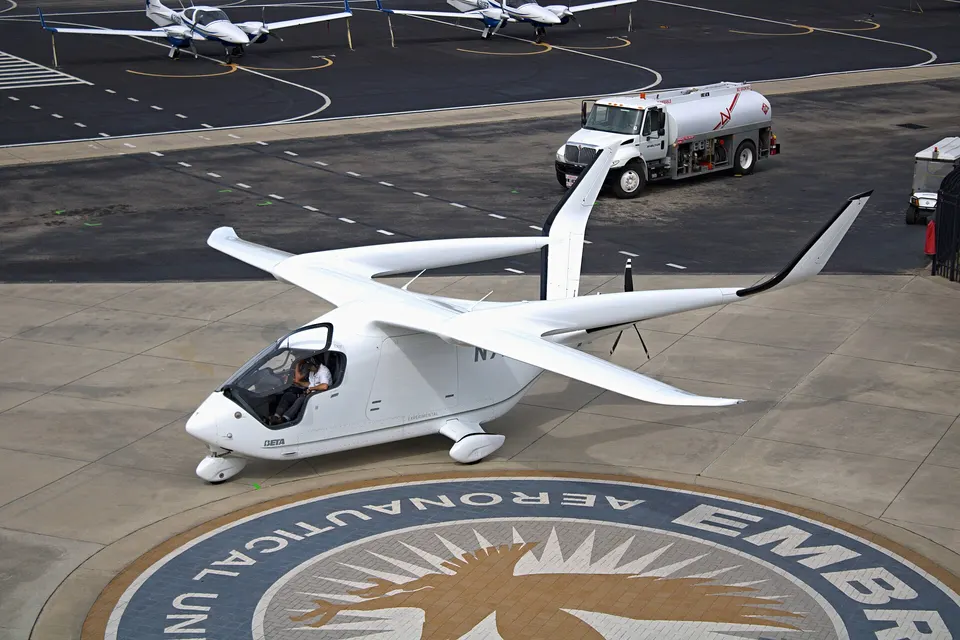
Power
Batteries drive one pusher propeller
Battery packs in the fuselage power an electric motor that turns a single propeller at the tail, pushing the plane along.
Fly
A normal wing and runway
It takes off and lands like a regular small plane, which avoids the heavy hover power of air taxis and keeps approval simpler.
Charge
Plug in between flights
At the end of a trip it plugs into BETA's chargers, which can also charge electric cars, instead of refuelling.
Update log
Thu 19 Mar
- Minor: PressTest
Mon 20 Oct 2025
- Minor: PressCommercial
Tue 3 Jun 2025
- Minor: PressTest
Sat 24 May 2025
- Minor: PressTest
Wed 2 Apr 2025
- Minor: PressTest
Wed 13 Nov 2024
- Minor: PressManufacturing
Tue 14 Mar 2023
- Major: PressRegulatory
About BETA Technologies
BETA Technologies
ALIA electric planes, chargers, motors
Vermont-based BETA builds the ALIA electric aircraft: the runway-based CX300 and the ALIA 250 air taxi, plus electric motors and a charging network. It listed on the NYSE in Nov 2025.
- Aims for FAA approval of the CX300 around end of 2026 or early 2027.
- Raised about $1B in its November 2025 IPO; GE Aerospace is a strategic investor.
- Sells its electric motors and chargers to other aircraft makers.
- Founded
- 20179 yrs
- Headquarters
- United States
- Status
- Public
- Listed
- BETA (opens google.com)NYSE
- Valuation
- public
- Works in
- AviationElectric & hydrogen planes
- Coverage
- 1 program · 8 updateslatest 19 Mar 2026checked 25 Sep
- People
- Kyle ClarkFounder and CEO