
Milestones
- FDA pre-market consultation completedMay 2025Complete.
- First restaurant launchJun 2025Complete.
- Expand restaurant partnersNowCurrent milestone.
Most important updates
- Jun 2025
- 28 May 2025
- 24 Jun 2021
Current obstacles
- Texture and fat marblingCopying salmon's layers of muscle and fat needs engineered scaffolds and growing cell types together.
Physics limits
- Without blood vessels, thick tissue starves in the middleNutrients and oxygen diffuse only about 0.1–0.2 mm into living tissue. Real meat is fed by capillaries; grown meat thicker than that needs scaffolds or channels, which is why most products are minced or thin.
- Animal cells grow far slower than germsAnimal cells double about once a day; bacteria can double in 20–30 minutes. A single stray microbe can overrun a batch, so everything must stay sterile like a drug plant, which is costly at food scale.
- Fat marbling is hard to growSalmon's texture and flavour come from layered muscle and fat. Growing two cell types side by side in the right pattern, without blood vessels to feed them, is far harder than growing one type in bulk.
How it works
Cells
Start from salmon cells
Cells from coho salmon are grown into cell lines that can keep dividing, so no fish needs to be caught for each batch.
Grow
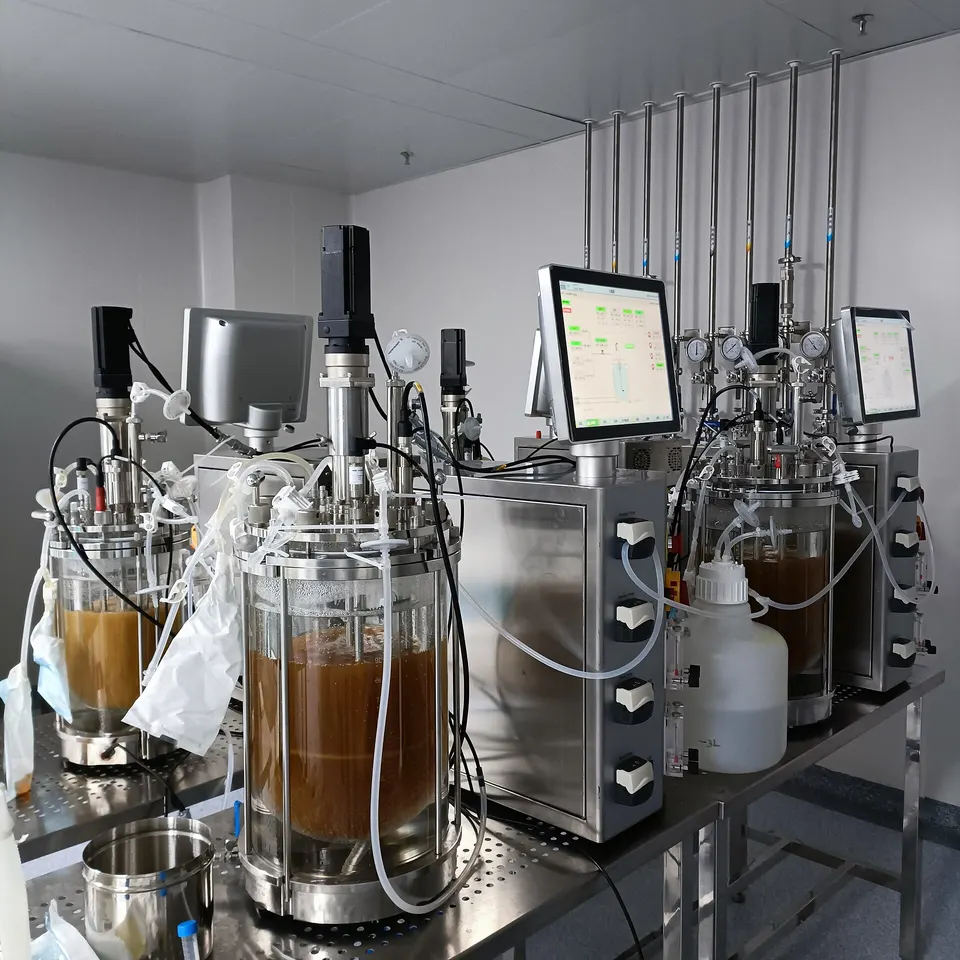
Multiply in bioreactors
The cells multiply in tanks of nutrient broth kept at cool, fish-friendly temperatures and sterile conditions.
Structure
Seed onto plant scaffolds
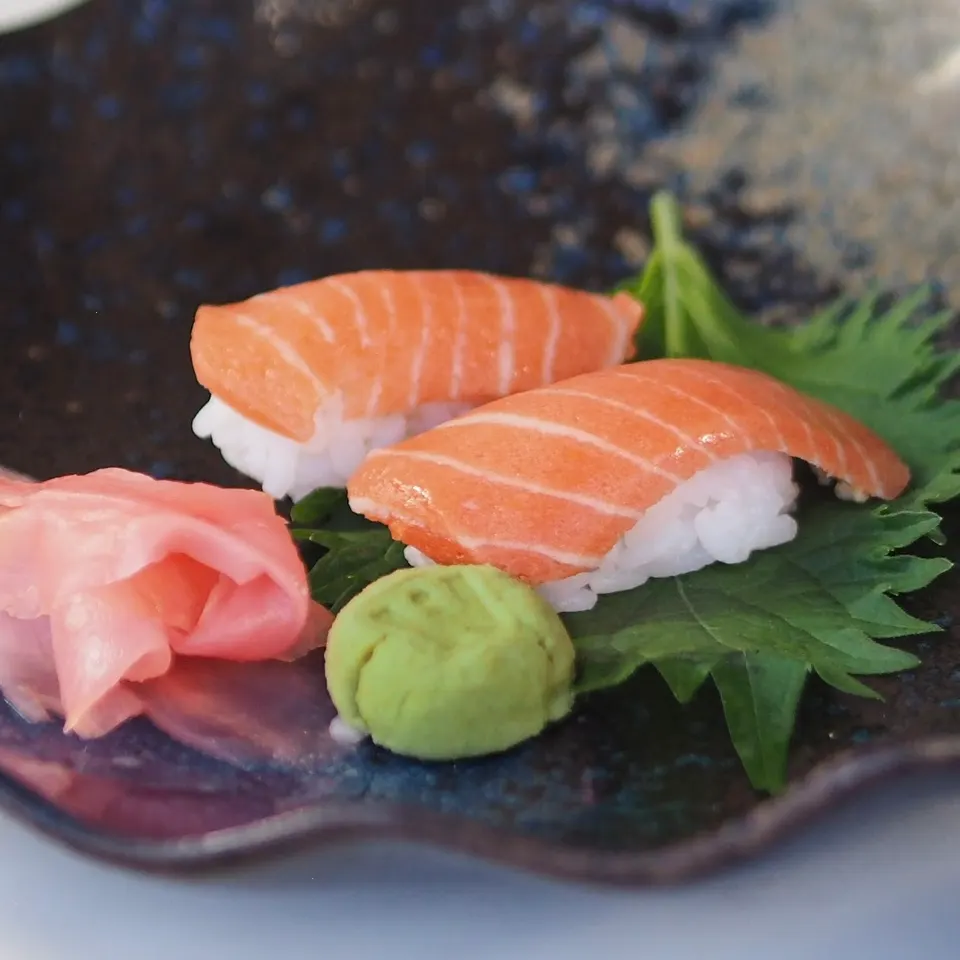
Cells are seeded onto plant-based scaffolds that give flakes and texture, making sushi-grade salmon to eat raw.
Update log
Jun 2025
- Minor: BlogCommercial
Wed 28 May 2025
- Major: RegulatorRegulatory
Thu 24 Jun 2021
- Minor: BlogManufacturing
About Wildtype
Wildtype
Cultivated salmon, FDA-cleared seafood
San Francisco company growing coho salmon from fish cells on plant-based scaffolds. In 2025 it became the first cultivated seafood cleared by the US FDA and began serving its salmon in restaurants.
- FDA finished its pre-market review of Wildtype's cultivated coho salmon in 2025.
- Salmon needs only FDA review; chicken and beef also need USDA inspection.
- Raw sushi suits cultivated fish because it doesn't need a cooked texture.
wildtypefoods.com (opens wildtypefoods.com)Company profile →
- Founded
- 201610 yrs
- Headquarters
- United States
- Status
- Private
- Valuation
- private
- Works in
- AgricultureCultivated meat
- Coverage
- 1 program · 3 updateslatest 1 Jun 2025checked 25 Sep
- People
- Justin KolbeckCo-founder & CEOAryé ElfenbeinCo-founder